Canned Fish Becomes a Time Capsule
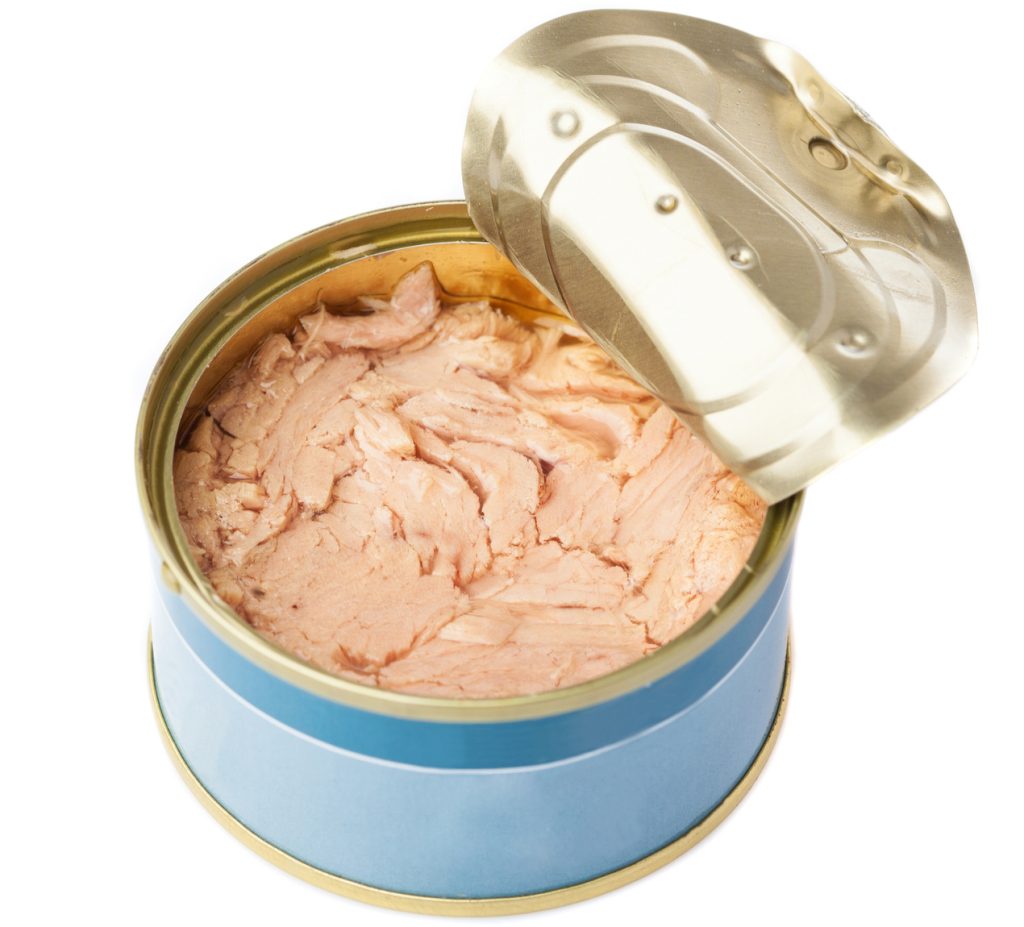
Decades-old canned salmon is revealing important shifts in the health of marine ecosystems.
Researchers discovered that canned fish can function as a historical biological record, allowing scientists to reconstruct the evolution of parasites over time.
The Search for Missing Data
The research team at the University of Washington, including Chelsea L. Wood and Natalie Mastick, aimed to quantify changes in the parasitic load of anisakid worms in adult salmon in Alaska and the Northeast Pacific.
The study was motivated by the lack of long-term parasite data, which prevented scientists from assessing the impact on Alaska’s fisheries and wildlife.
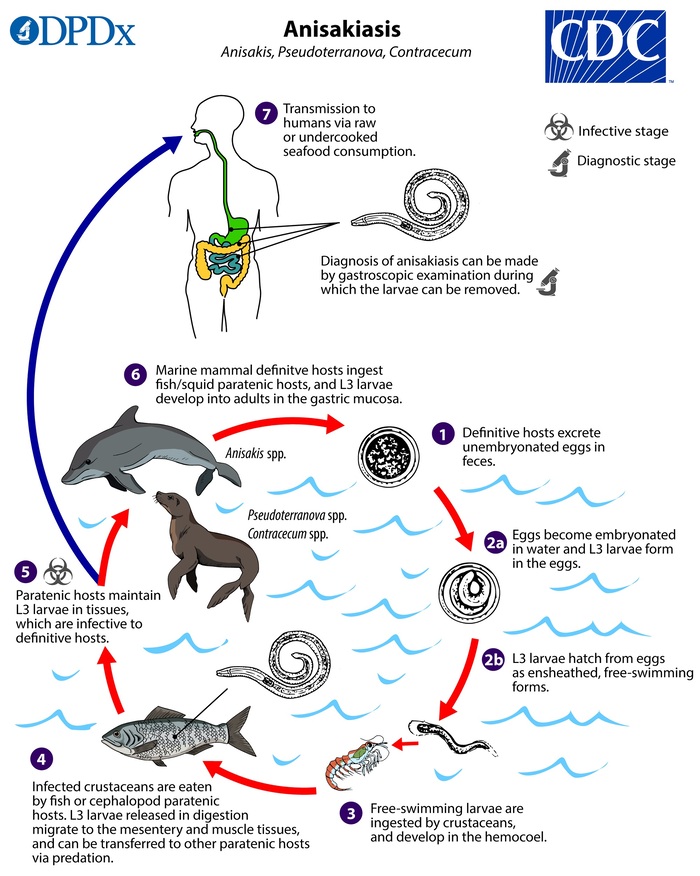
With no historical records available, the researchers adopted a creative methodological approach based on the anisakids’ life cycle. Salmon serve as an intermediate host for these nematodes.
The central hypothesis is that parasite load in salmon acts as a biological indicator. Since anisakids complete their life cycle only in marine mammals—such as orcas, seals, and belugas—the number of parasites found in salmon could reflect population trends or abundance of these marine predators.
The Problem: Where to Find Old Salmon?
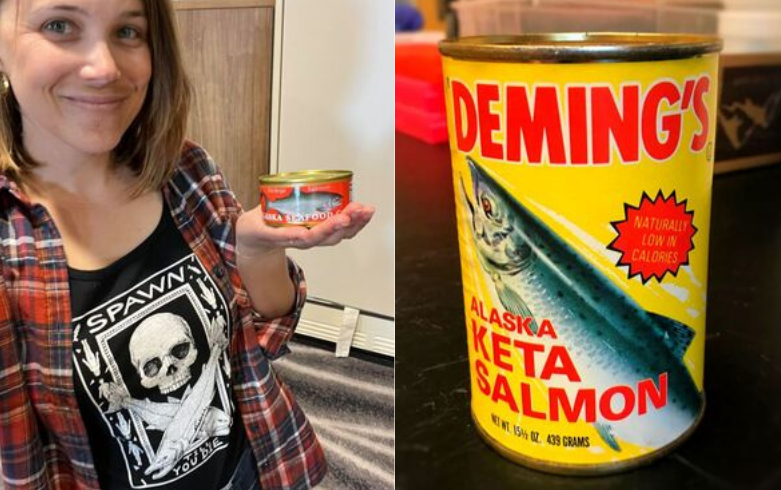
Despite the solid logic, one crucial ingredient was still missing: enough old salmon samples for analysis. The solution came when the Seafood Products Association (SPA) in Seattle called to say they were cleaning out their basement and discarding boxes of canned salmon that had expired decades earlier.
The SPA had originally stored these samples since the 1970s to evaluate can integrity and product degradation. Knowing about the researchers’ interest in historical parasite ecology, the association offered the material before throwing it away.
Wood recalls, “We thought, ‘There might be worms in there!’”
Thus began the study—thanks to a valuable “archived stock” sitting in the SPA basement.
The cans contained various parasites
The bet paid off: the canned salmon contained numerous preserved worms.
In the journal Ecology and Evolution, the researchers report that they reconstructed 42 years of changes in parasite load across four salmon species, finding significant increases in two of them.
Although this may seem alarming, Wood believes the trend reflects a conservation success story:
“As marine mammals return, their parasites return with them.”
Parasites Still Visible After Decades
Salmon is cooked during the canning process, raising concerns about whether anisakid nematodes would still be visible. But to the team’s surprise, the worms were clearly preserved.
They reach salmon through smaller hosts like krill and small fish. When scientists examined the muscle tissue using tweezers, they found compressed pockets containing worms that expanded outward when opened.
These parasites are common in seafood and pose no risk to humans, since they die during cooking.
502 Cans, 372 Worms, and Four Salmon Species Analyzed
The forgotten “archive” included 502 cans of chum, coho, pink, and sockeye salmon, mostly from Alaska.
The team dissected 178 cans produced between 1979 and 2019.
Key Findings:
- Half of the cans contained nematodes.
- A total of 372 worms were collected.
- Infection levels increased over time in chum and pink salmon.
- No significant changes were found in sockeye or coho.
Conservation May Explain the Rise in Parasites
Although the authors cannot confirm the exact cause of the parasite increase in chum and pink salmon, the trend coincides with the Marine Mammal Protection Act of 1972.
Since the law took effect, populations of many marine mammals have grown—and naturally, their parasites have grown alongside them.
A similar pattern has been observed in other ecosystems, such as the Baltic Sea, where the number of worms in cod increased as gray seal populations expanded.
❓ The Mystery and the Next Step in Science
While the overall rise in parasitic load aligns with recovering marine mammal populations (the final hosts for anisakids), the study did not determine why only chum and pink salmon showed increases, while sockeye and coho did not.
The difference may stem from distinct life histories and habitats, leading to varying levels of exposure to parasites.
To resolve this mystery, the research team plans to conduct genetic analyses to identify the exact parasite species present in each can.
A New Window Into the Ocean’s Past
According to Loren McClenachan, an ocean historian at the University of Victoria, interviewed by Scientific American (2024):
“Using canned salmon as a window into past ecosystems is remarkably creative.”
Source: Ecology and Evolution