From Brooklyn to Buenos Aires: The International Dispute Over Nicolás Maduro’s Extradition
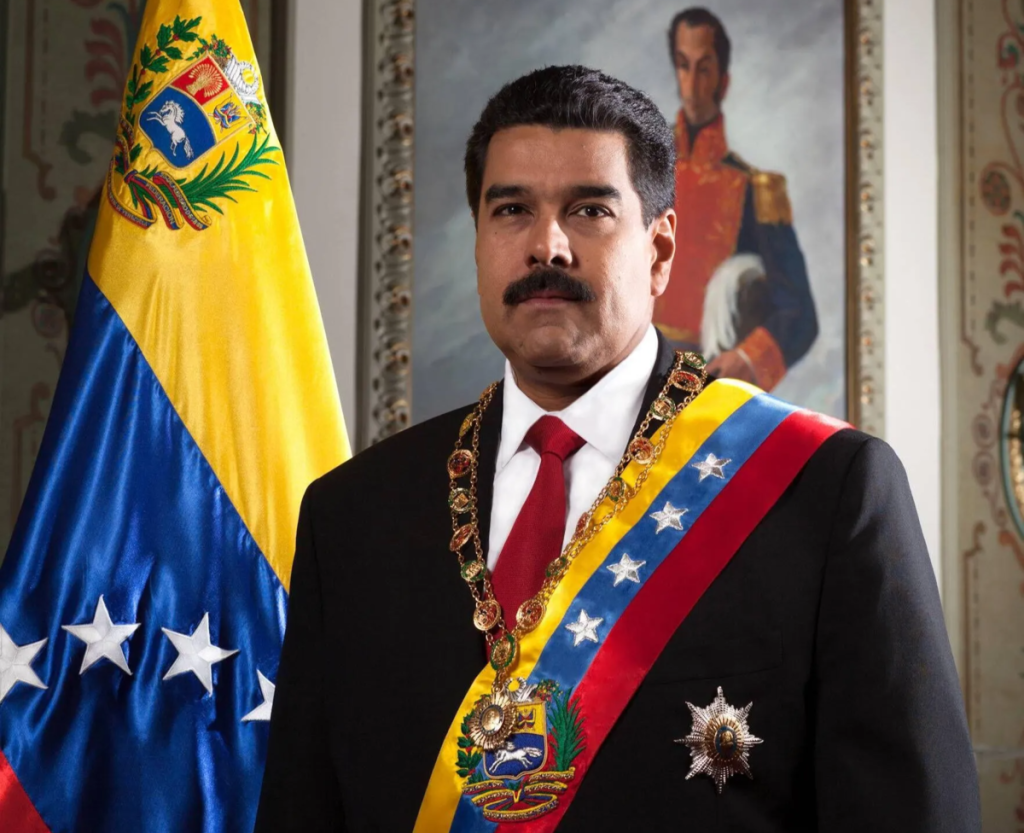
The legal saga surrounding Nicolás Maduro has entered a new and explosive chapter. On Wednesday, February 4, Argentina’s judiciary formally requested his extradition from the United States, where the former Venezuelan leader is currently detained, according to the Associated Press. The reason? A wave of accusations involving crimes against humanity.
The Setting: From Capture in Caracas to Detention in New York
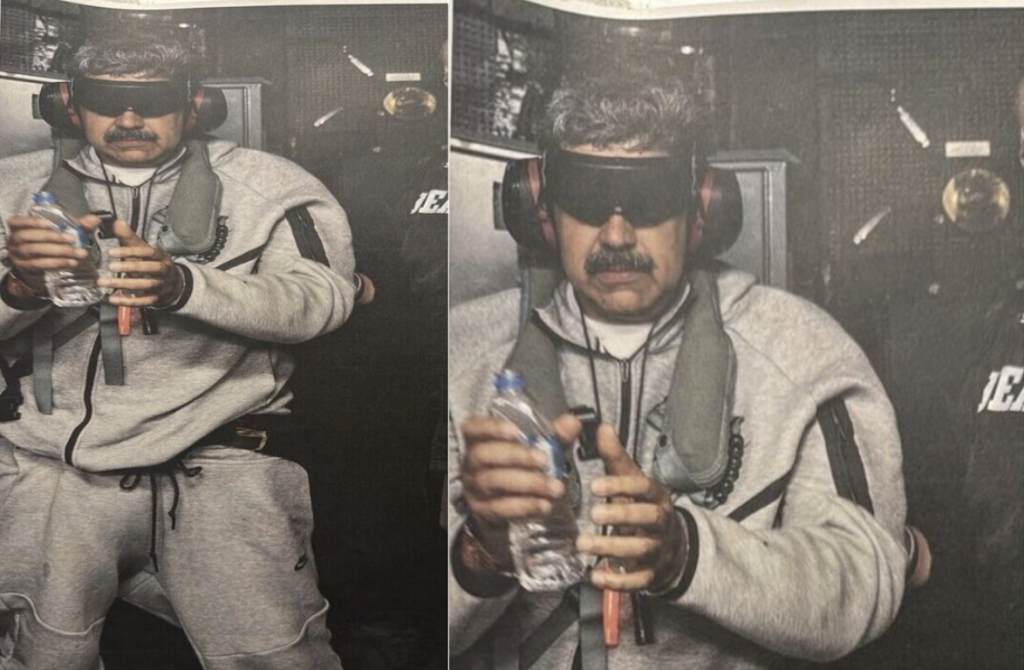
The world reacted with shock to the military operation on January 3, when U.S. forces captured Maduro on Venezuelan soil.
Today, the situation seems almost unthinkable: the man who ruled Venezuela for more than a decade is awaiting trial in a Brooklyn jail in New York, alongside his wife, Cilia Flores.
While the United States is prosecuting Maduro on charges of narcoterrorism and cocaine trafficking — an alleged scheme spanning 25 years — Argentina seeks to put him on trial for the suffering inflicted on civilians.
Why Can Argentina Prosecute Maduro?
Buenos Aires’ legal backbone is the principle of Universal Jurisdiction. In practice, this doctrine holds that crimes such as torture and enforced disappearances are so severe that any country may prosecute those responsible, regardless of where the crimes were committed.
- The “Hollywood connection”: The case did not emerge out of nowhere. It was driven by the Clooney Foundation for Justice, founded by actor George Clooney, which joined forces with Venezuelan victims to denounce systematic repression that began in 2014.
The Standoff: Who Gets Custody of Maduro?
Argentina’s request has created a rare diplomatic standoff. On one side, the 1997 extradition treaty between Argentina and the United States provides the legal basis for the request. On the other, the U.S. is unlikely to relinquish custody of such a high-profile defendant before his federal court appearance in Manhattan, scheduled for March 17.
Political Repercussions: The “Milei Effect”
Argentine President Javier Milei, a vocal critic of the Chavista regime, celebrated Maduro’s arrest as a victory for freedom. Coincidence or not, the judicial move comes amid a broader wave of releases:
- Roberto Baldo and Gustavo Rivara: Argentine citizens previously detained in Venezuela have returned home.
- 350 political prisoners have been released in Venezuela since early January, according to the NGO Foro Penal.
With information from the Associated Press (AP)