The animal kingdom is fascinating, home to an immense variety of species that play vital roles in their ecosystems. However, some of these creatures, while essential to biodiversity, are notoriously dangerous to humans. Below, we explore the 10 animals responsible for the highest number of human deaths worldwide.
10. Crocodiles
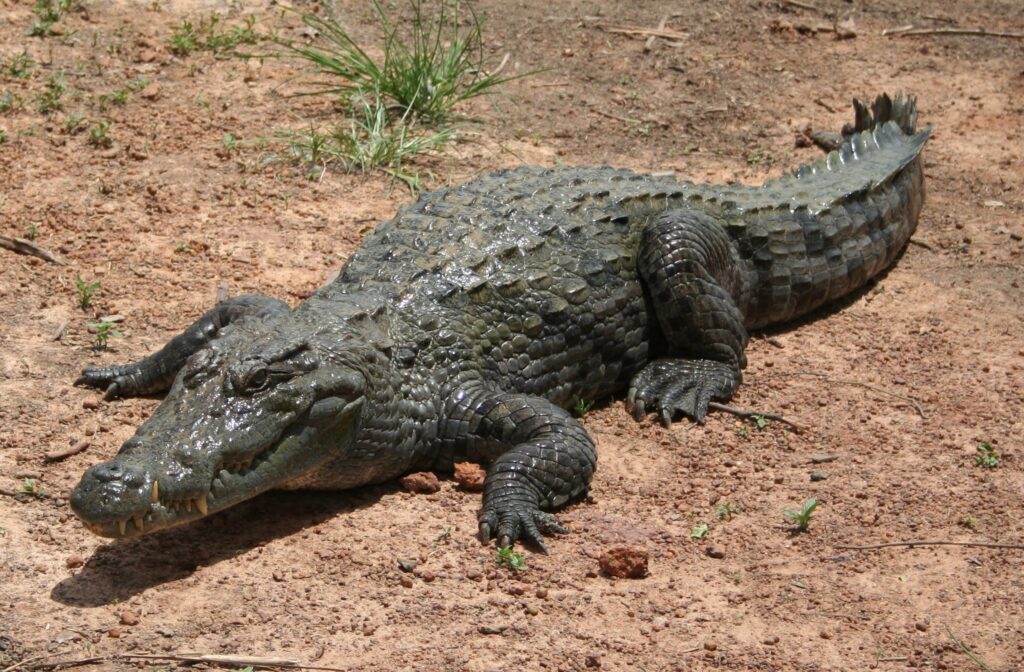
Annual deaths: Approximately 1,000
Crocodiles are agile and extremely powerful predators. They inhabit seas, rivers, and swamps in many parts of the world, especially in Africa, Australia, and Southeast Asia. Attacks usually occur when people venture too close to their natural habitats, often while collecting water or fishing.
9. Tapeworms
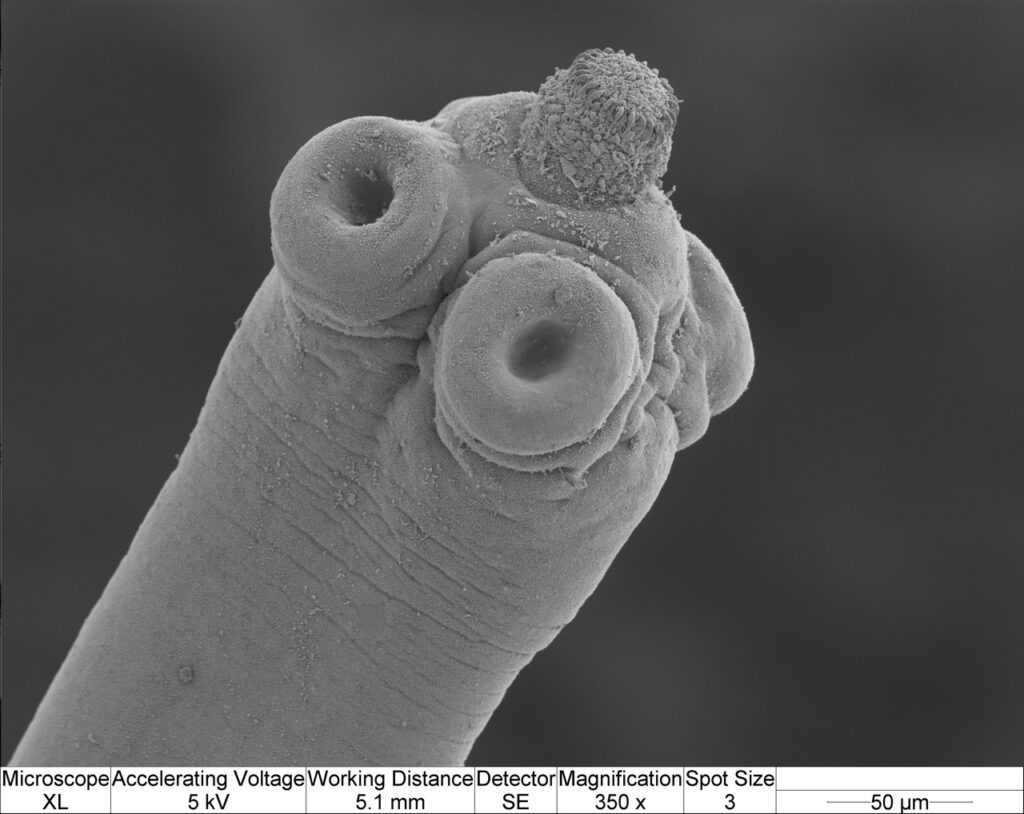
Annual deaths: 2,000 to 3,500
Tapeworms are the largest worms found in humans. Taenia saginata can reach up to 25 meters (82 feet) in length, although the average is around 5 meters (16 feet). Taenia solium typically measures 2 to 8 meters (6 to 26 feet). These intestinal parasites, commonly known as solitary worms, cause taeniasis and cysticercosis.
Taeniasis occurs through the consumption of undercooked meat contaminated with larvae, while cysticercosis results from ingesting Taenia solium eggs (the pork tapeworm). Cysticercosis—especially neurocysticercosis—can be fatal, leading to seizures and even death. The main species involved are Taenia solium (pork) and Taenia saginata (beef).
8. Roundworms (Ascaris)
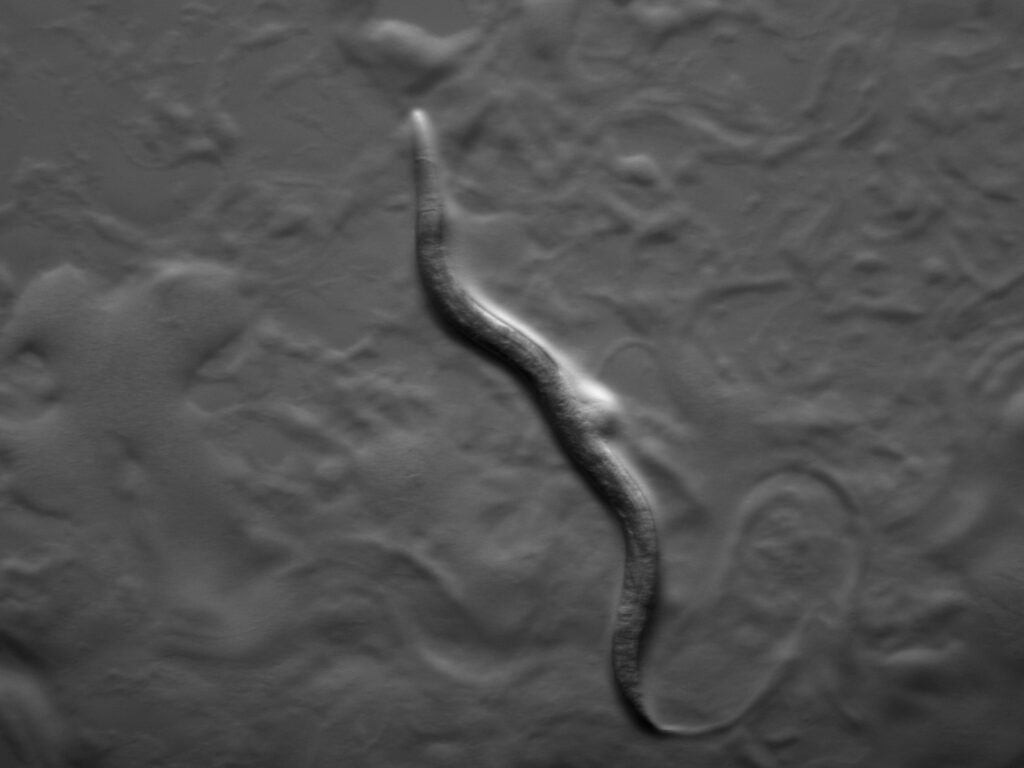
Annual deaths: 2,000 to 10,000
Ascaris lumbricoides, one of the largest intestinal parasites found in humans, can grow up to 35 centimeters (14 inches). It causes ascariasis, which may lead to abdominal pain and, in severe cases, developmental impairment in children.
Although many infections are asymptomatic, estimates suggest this parasite causes more than 2,000 deaths per year worldwide, with some estimates placing the number as high as 60,000 annual deaths. Most fatalities occur in children, mainly due to complications such as intestinal obstruction, especially in regions with poor sanitation and limited access to medical care.
7. Scorpions
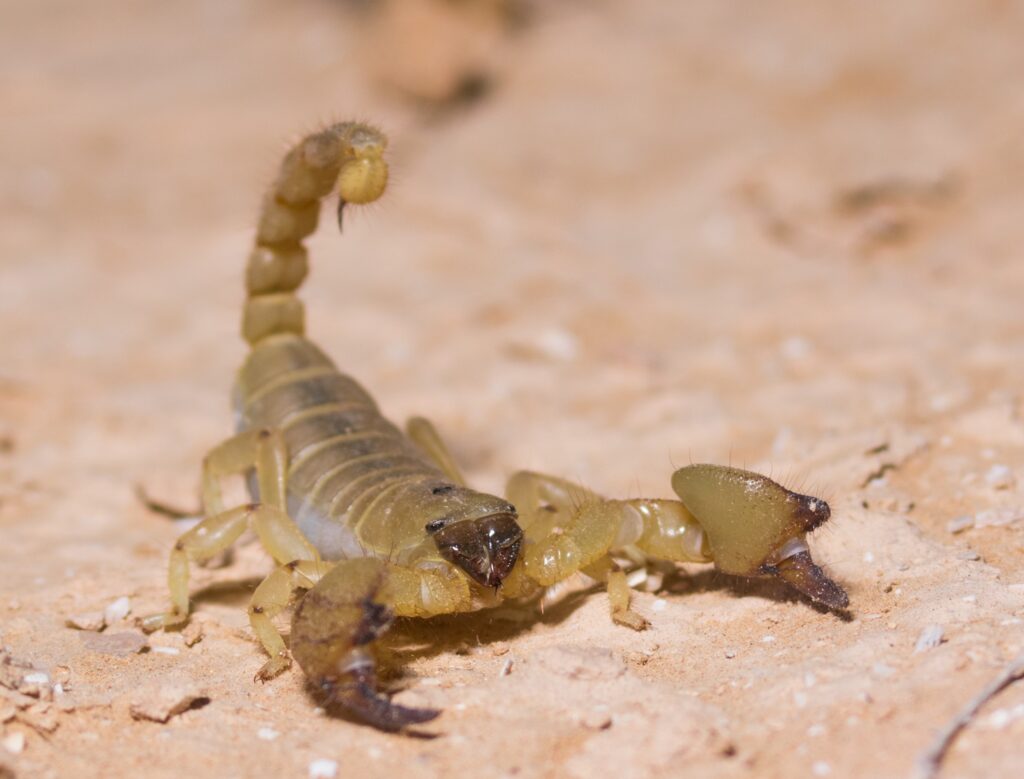
Annual deaths: Approximately 3,250
Scorpions are found in nearly every part of the world, but they are especially dangerous in arid and desert regions, such as the Sahara and the Middle East, which host some of the most venomous species on the planet. Their stings—particularly from species like the fat-tailed scorpion—can cause paralysis, respiratory failure, and death, especially in children and vulnerable individuals.
6. Tsetse Flies
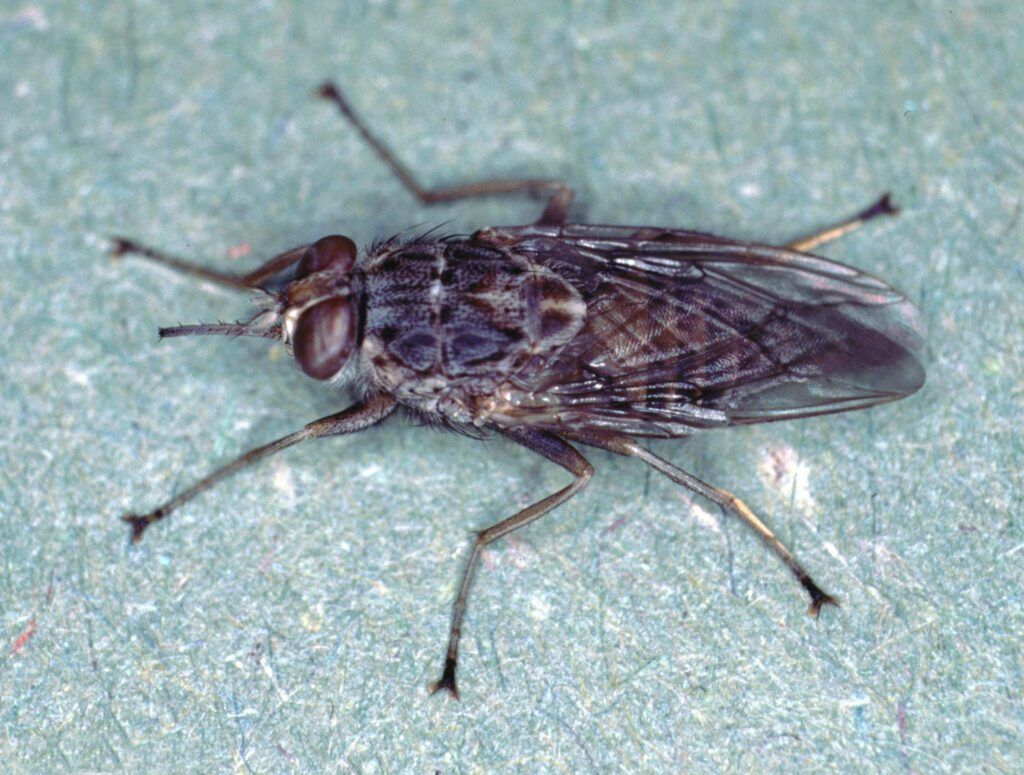
Annual deaths: Approximately 10,000
Tsetse flies, common in sub-Saharan Africa, transmit the parasite Trypanosoma brucei, which causes African sleeping sickness (African trypanosomiasis). This parasitic infection can be fatal if left untreated.
The parasite, transmitted through the fly’s bite, causes fever, headaches, neurological problems, and in severe cases, coma and death.
5. Assassin Bugs (Kissing Bugs)
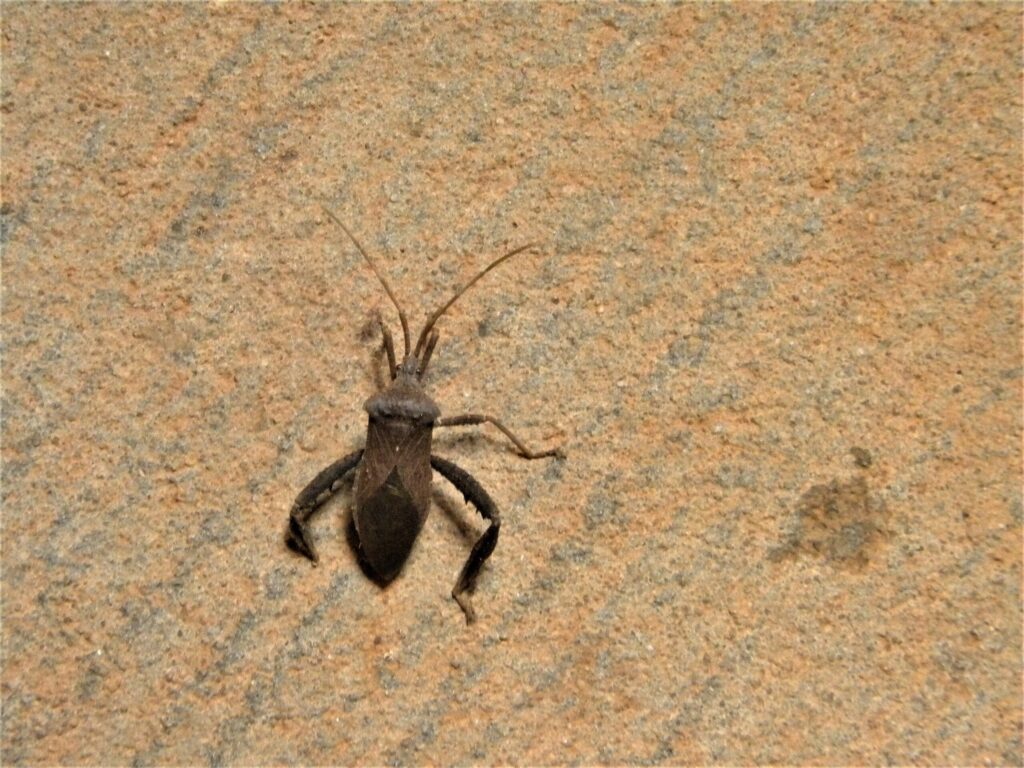
Annual deaths: 10,000 to 12,000
Assassin bugs—also known as kissing bugs—are responsible for transmitting Chagas disease, a parasitic infection caused by Trypanosoma cruzi that can lead to serious heart complications.
These insects thrive in warm, humid, and sheltered environments, such as cracks in mud, straw, or stone houses, which are common in rural and vulnerable areas. They are widespread in Latin America, where poor housing conditions facilitate their spread.
4. Freshwater Snails
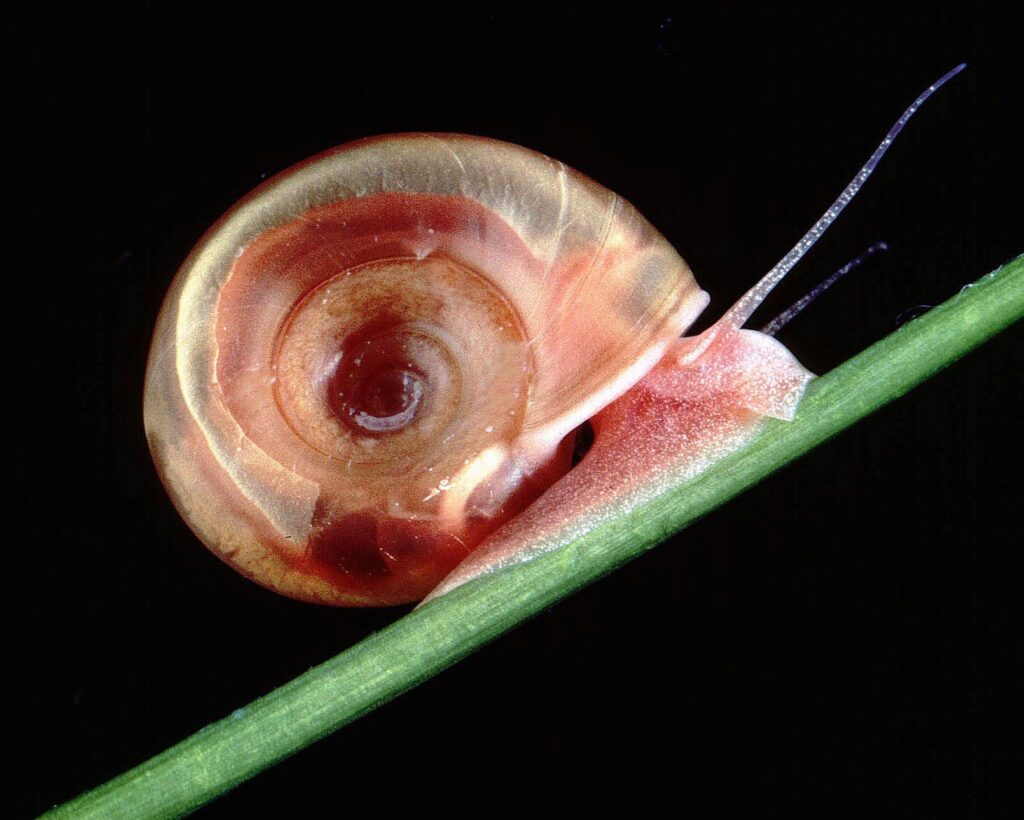
Annual deaths: 10,000 to 20,000
Freshwater snails are dangerous because they transmit parasites that cause schistosomiasis, a disease affecting millions of people worldwide, particularly in tropical and subtropical regions.
These snails release parasitic larvae into the water, which can penetrate human skin, leading to infections that cause fever, diarrhea, abdominal pain, and in severe cases, damage to internal organs.
3. Dogs

Annual deaths: 25,000 to 35,000
Dogs, often considered man’s best friend, can become deadly when they transmit rabies. In regions where rabies vaccination is not widespread, bites from infected dogs can be fatal. Vaccination campaigns and public awareness are essential to reducing these deaths.
2. Snakes
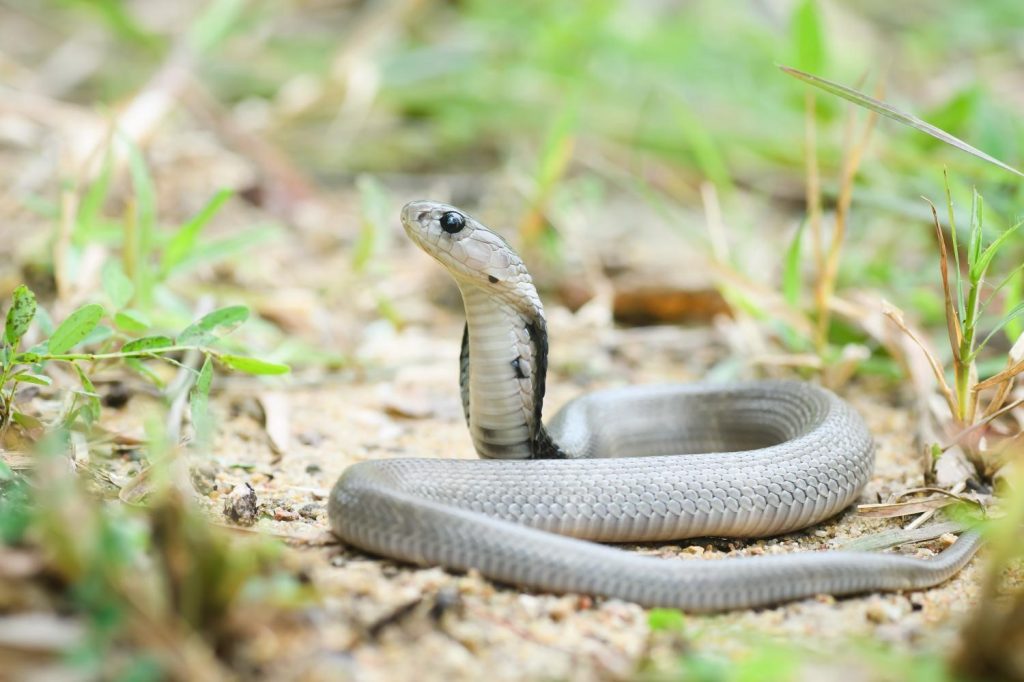
Annual deaths: 50,000 to 100,000
Snakes—especially venomous species such as coral snakes, vipers, and mambas—pose a serious threat in many parts of the world. The venom of some species can kill a person in less than an hour.
In many regions where these snakes live, access to adequate medical treatment is limited, which significantly increases mortality rates.
1. Mosquitoes
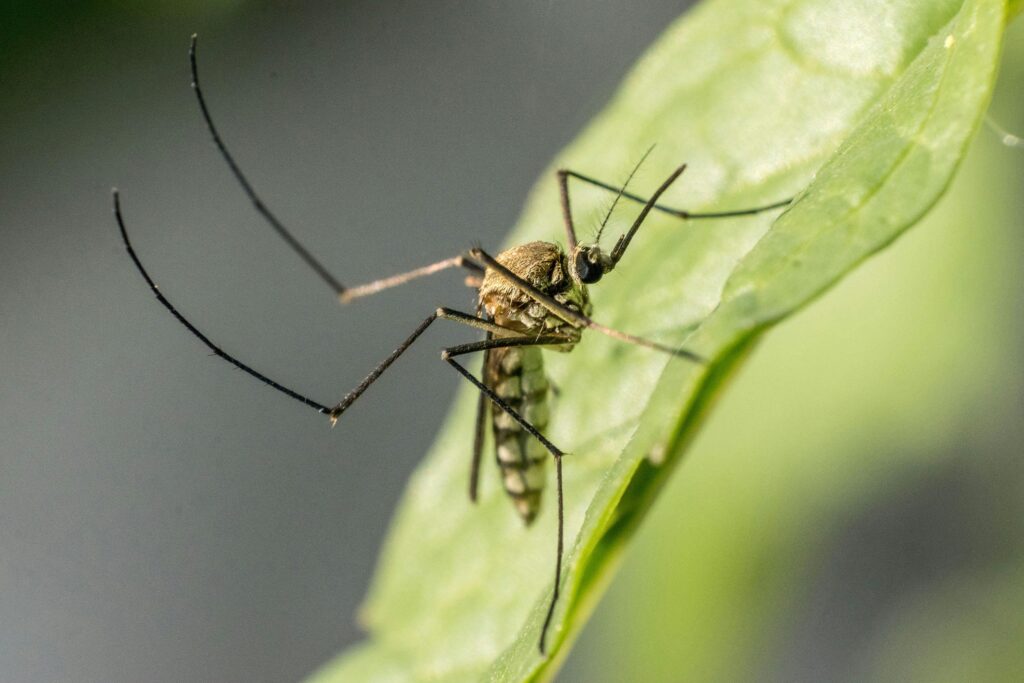
Annual deaths: Approximately 725,000
Mosquitoes are by far the deadliest animals to humans. These small insects transmit extremely dangerous diseases such as malaria, dengue, Zika, and yellow fever.
According to the World Health Organization (WHO), mosquito-borne diseases cause around 725,000 deaths every year. Malaria alone accounts for more than 400,000 deaths annually, primarily in tropical and subtropical regions. The mosquito’s ability to spread diseases rapidly and on a massive scale makes it one of the greatest threats to global public health.