A digital empire built on controversy and conviction
Pavel Durov, founder of Telegram and known for his eccentric lifestyle, is back in the spotlight after revealing surprising details about his personal life and clashes with governments.
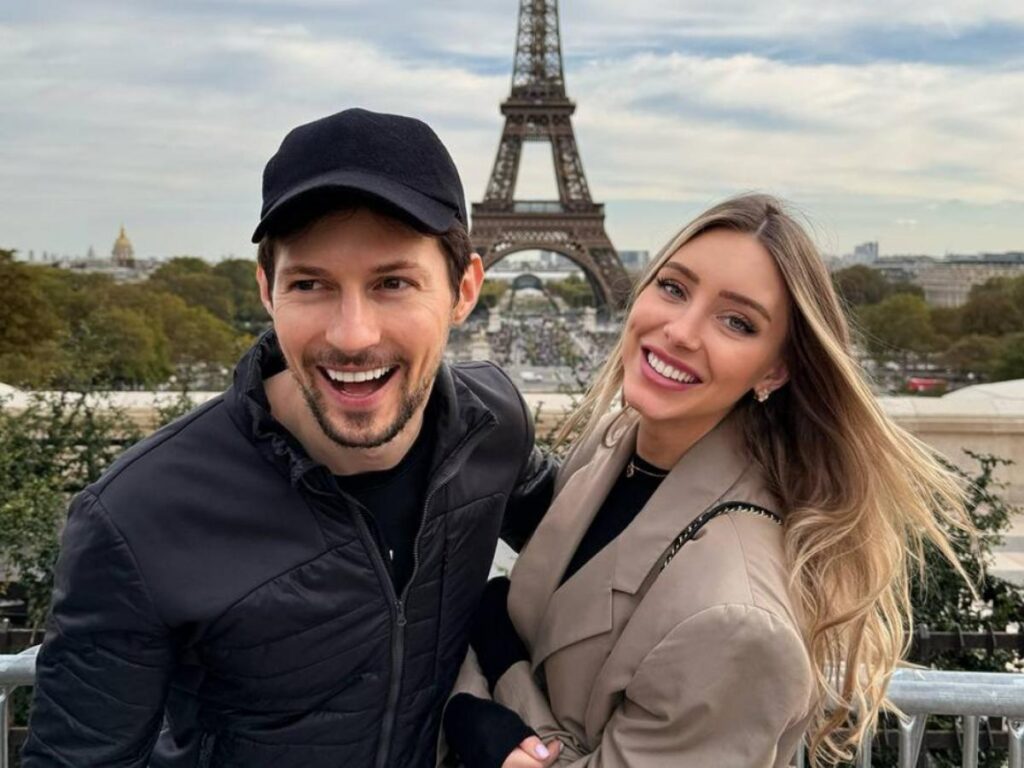
At 40 years old, the billionaire — whose fortune is estimated at $17.1 billion, according to Forbes — announced that he plans to divide his inheritance among his six biological children and over 100 other children conceived through sperm donation.
In an interview with the French magazine Le Point, Durov said he began donating sperm 15 years ago, initially to help a friend.
“The clinic where I started donating sperm 15 years ago to help a friend told me that more than 100 babies were conceived this way in 12 countries,” he said.
“They are all my children and will have the same rights! I don’t want them to be separated after my death,” he added.
A Billionaire Inheritance… But Only After Age 30
Despite his generosity in the will, Durov set a strict condition: none of his children will have access to the inheritance until they turn 30.
His goal, he explained, is to ensure that they become independent, creative, and self-sufficient — without relying on a bank account.
“I want them to live like normal people,” he said.
“To learn to trust themselves and to be able to create.”
Donations, Goats, and Ice-Cold Showers
Durov has a strong presence on social media. Earlier this year, he stirred up buzz by posting a shirtless photo with goats in a barn to wish Telegram users a Happy Easter.
Such eccentricity isn’t new. In 2017, he mocked Vladimir Putin by launching an Instagram challenge inspired by the Russian president’s shirtless photos, encouraging users to post their own pictures for the “Shirtless Putin Challenge.”
His daily routine is equally unusual:
- 300 push-ups followed by 300 squats every day
- Avoids alcohol, coffee, tea, sugar, and cigarettes
- Takes ice-cold showers daily
Clashes with the Kremlin and Escape from Russia
Durov became known not only for his tech success, but also for his refusal to cooperate with the Kremlin. He was blacklisted by the Russian government after refusing to shut down activist groups on VKontakte, the social media platform he created, often dubbed the “Russian Facebook.”
In addition, after a car accident that left a police officer slightly injured, he reportedly fled Russia. Around the same time, a state-linked company acquired a large stake in VK and removed Durov’s allies from leadership, according to The Moscow Times.
Arrested in France, Freed to Return to Dubai
In August 2024, French authorities arrested Durov and barred him from leaving the country, accusing him of enabling sexual abuse and drug trafficking to flourish on Telegram.
Durov denied the accusations, and Telegram stated that the platform cannot be held responsible for user activity.
Since then, the app has implemented new security measures, such as:
- Stricter content monitoring
- Providing IP addresses and phone numbers to police in cases of legal violations
After months of legal battles, in March 2025, Durov was finally allowed to return home to Dubai, where he thanked French judges for granting his release.
Telegram: Between Free Speech and Dangerous Extremes
With over 1 billion active users, Telegram has become a vital tool — especially during the Russia-Ukraine war. The app has been used by governments for air raid alerts and by civilians to document the horrors of war.
However, the platform also faces heavy criticism for hosting extremist groups, including:
- ISIS
- White nationalists
- Conspiracy theorists
Pavel Durov defies easy categorization. Billionaire, eccentric, rebel, and visionary — he divides opinions but is impossible to ignore.
Whether it’s his fight for digital freedom, his massive global family, or his strict and unconventional lifestyle, the Telegram founder remains at the center of debate on the boundaries of technology, privacy, and digital responsibility.