European Commission imposes two fines on Alphabet for favoring its own services in Search and restricting external links on Google Play
What You Need to Know
- Two violations under scrutiny: The penalty targets Google for prioritizing its own shopping, hotel, and transportation services in search results, as well as blocking free external links that would direct users to cheaper offers outside Google Play.
- Google pushes back sharply: The company called the decision “product degradation” and warned it will be forced to remove popular features, such as instant flight and hotel quotes, while altering safety protocols on the Play Store.
- Escalating U.S. tensions: The fine reignites Donald Trump’s threats to invoke Section 301 against the EU, coming on the heels of major penalties previously hit against U.S. tech giants—with both Google and Apple fined in 2025.
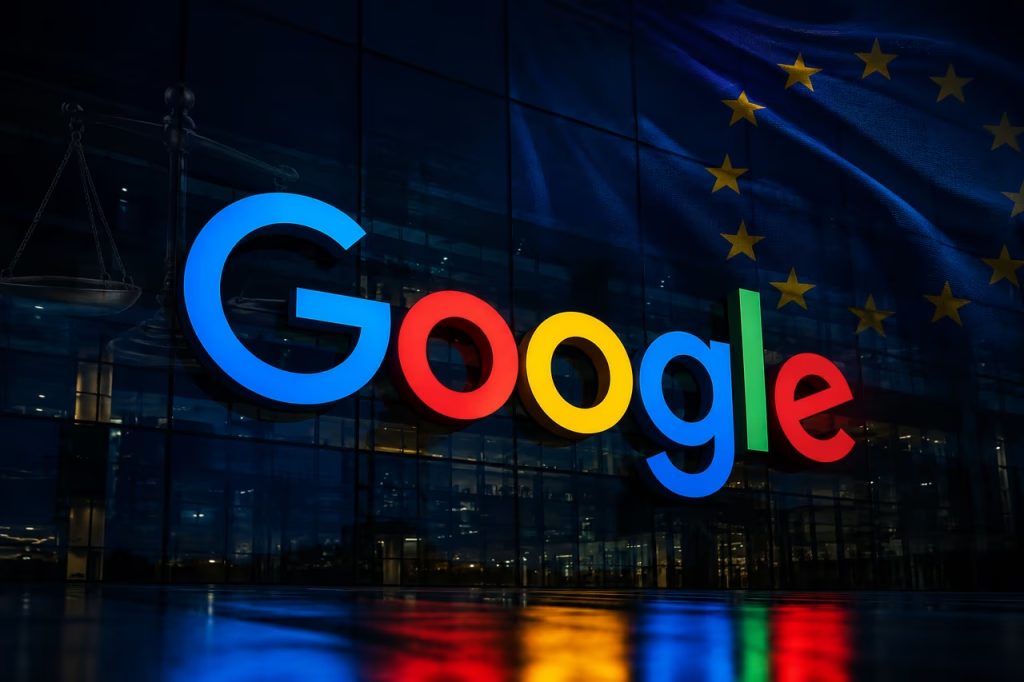
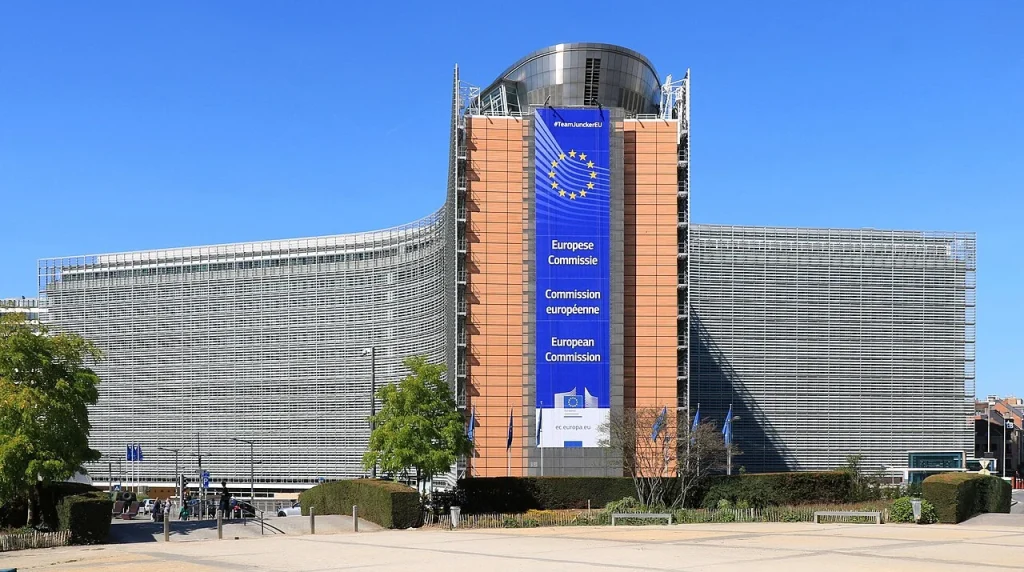
The European Commission, headquartered in Brussels, Belgium, imposed €890 million in fines (about $1 billion) on Alphabet, Google’s parent company, for violating the Digital Markets Act (DMA) — legislation designed to promote fairer competition in digital markets.
The penalties, announced on Thursday (July 23), stem from two separate violations committed by Google.
The Two Fines: Favored Search Results and Play Store Restrictions
- The first, worth €460 million, was imposed because Google favored its own services in search results related to shopping, hotels, transportation, and sports, giving them greater visibility than competing services.
- The second, worth €430 million, was imposed over restrictions in Google Play. According to the European Commission, the rules prevent developers from freely directing users to external stores or websites, limiting users’ access to cheaper offers.
While Google has the right to charge fees for intermediary services, the restrictions on free redirection and the duration of those fees violate the DMA’s requirements.
What the Law Says
The DMA prohibits large platforms from favoring their own services over those of third parties in search results. They must apply transparent, fair, and non-discriminatory criteria when ranking results.
“In the EU, companies have the right to compete fairly. Gatekeepers have an obligation to ensure a level playing field, and consumers have the right to choose cheaper alternative offers,” said European Commission spokesperson Thomas Regnier.
Google Has Already Made Changes, But Brussels Wants More
The revisions the company made to its Play Store redirection guidelines received partial approval from the European Union.
“These developments constitute good progress toward compliance and will also be assessed in light of today’s decision’s cease-and-desist order,” said Henna Virkkunen, the European Commissioner responsible for tech sovereignty.
Google’s Response: “Product Degradation”
Google’s President of Global Affairs, Kent Walker, sharply criticized the decision. According to him, the fine represents “product degradation driven by a small group of self-serving complainants” and will harm businesses and consumers across Europe.
Walker also said the DMA forces Google to “strip away real-time Search features Europeans love” — such as instant pricing and direct availability for hotels, flights, and restaurants — as well as “dismantle safety protections on Google Play.”
Who Are the European Union’s “Gatekeepers”
Under the DMA, the European Commission designates as “gatekeepers” companies that hold dominant positions in digital markets. The group currently includes six tech giants:
- Alphabet (Google)
- Amazon
- Apple
- ByteDance (TikTok) — a Chinese company
- Meta
- Microsoft
These companies are subject to stricter rules aimed at ensuring greater competition and providing consumers with more choices.
Tension With Trump: A Delicate Backdrop
The penalties come amid heightened trade tensions between the European Union and the United States. The decision was made despite the risk of drawing the ire of President Donald Trump, who has repeatedly criticized the 27-member bloc’s digital regulations.
“We cannot allow this to happen to America’s brilliant and unprecedented ingenuity, and if it does, I will be forced to start a Section 301 proceeding to nullify the unfair penalties being charged to these American tax-paying companies,” Donald Trump wrote in a Truth Social post in September 2025.
This is not the first time American Big Tech companies have faced penalties from the European Union. In 2025, Google was fined €2.95 billion for abusive practices in the digital advertising market, while Apple was fined €500 million over App Store restrictions.
With the new €890 million fine, the European Union is reinforcing its firm oversight of American tech giants, even at the risk of further straining trade relations with the United States.
Sources and References
- European Commission — Fine on Google (2026): Digital Markets Act
- AP News — EU Antitrust Sanctions: AP News Article
- Reuters — EU Penalty Coverage: Reuters Report
- European Commission — Gatekeeper Designations (2023): Digital Markets Act
- Official Statement: Truth Social Update
- European Commission Representation in France: Official Statement
- European Commission — Apple and Meta Violations: Digital Strategy News