Intense competition, shrinking margins, and a focus on new businesses explain the Taiwanese company’s exit
Asus has officially confirmed that it will not launch new smartphones starting in 2026, marking the end of an era for the Taiwanese company in the mobile phone sector. The decision was announced by CEO Jonney Shih during a corporate event held in Taiwan in mid-January, according to a report by Taiwanese outlet INSIDE.
By stating that “Asus will not add any new smartphone models in the future,” Shih avoided classifying the move as a definitive exit. However, the language used points to an open-ended suspension rather than a simple strategic delay.
Why Asus decided to abandon smartphones
The global smartphone market is going through a challenging period. Rising prices of electronic devices have slowed replacement cycles, leading consumers to keep their devices for longer periods. For brands that do not operate at large scale, this results in persistent profitability issues.
Asus is not among the global leaders in sales volume and faces strong competition from Chinese manufacturers such as Xiaomi, Vivo, and Huawei. This scenario has made the company’s continued presence in the sector increasingly unsustainable.
Zenfone and ROG Phone: two niches, many challenges
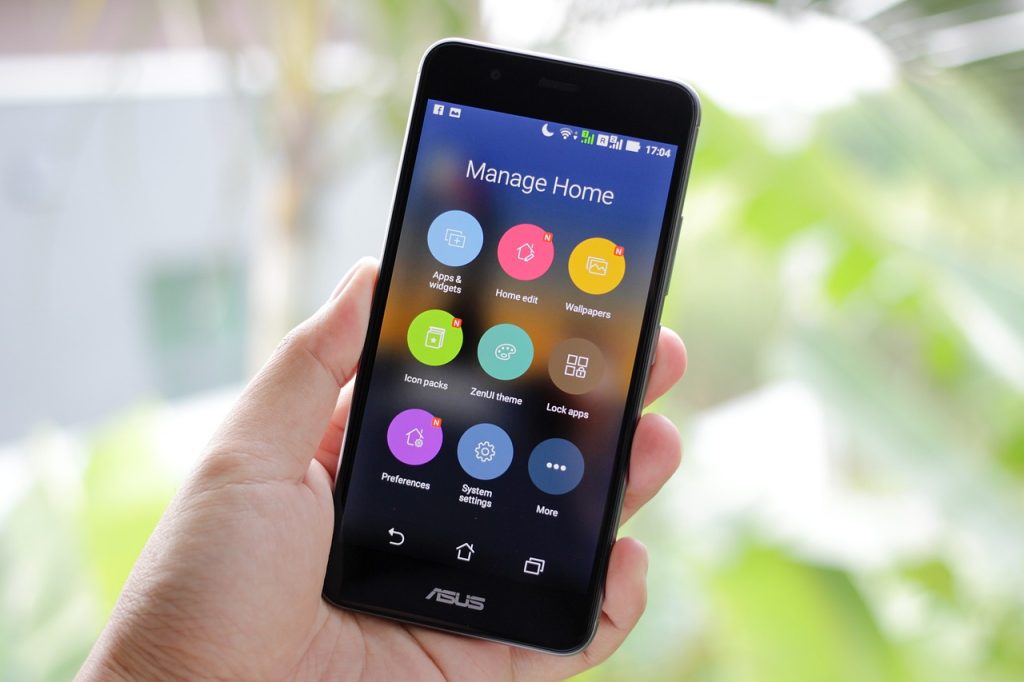
The Zenfone lineup stood out for its compact designs and relatively affordable prices, but ultimately fell behind competitors in software support and long-term updates.
ROG Phones earned respect among mobile gaming enthusiasts, offering advanced cooling systems, top-tier processors, multiple USB-C ports, dedicated accessories, RGB lighting, shoulder-mounted touch-sensitive triggers, and superior audio quality.
However, these devices were expensive. The ROG Phone 9 Pro entered the market with a starting price of US$1,200, higher than flagship models from Samsung. The consumer base interested in such a highly specialized gaming smartphone proved too small to justify continued production.
Financial pressure and the example of LG
Asus is not the first company to leave the smartphone market after facing prolonged losses. South Korea’s LG followed a similar path: after years of financial losses, it reduced its launch schedule in 2019 and permanently shut down its mobile division in 2021.
Since then, no Android manufacturer that exited the sector has managed to return successfully, reinforcing the perception that Asus’s decision may be permanent, even as the company says it will continue to monitor the market.
Artificial intelligence at the center of the new strategy
While the smartphone segment was losing appeal, Asus’s artificial intelligence business grew rapidly. The company reported a 26.1% increase in revenue in 2025, driven mainly by the doubling of AI server sales over the past year.
In light of this performance, Asus decided to redirect investments, financial resources, and engineering talent toward “Physical AI” projects, which include:
- Artificial intelligence servers
- Robotics
- Smart glasses and other wearable devices
The shortage of memory chips, which increased component costs and further pressured smartphone margins, helped accelerate this shift in focus.
Impacts on consumers and the market
For consumers, Asus’s exit means fewer options in a market increasingly dominated by Samsung, Apple, and Chinese manufacturers. The impact is particularly felt in the mobile gaming segment, where the ROG Phone had built a loyal user base with exclusive features.
Despite ending production of the Zenfone and ROG Phone lines, Asus stated that existing users will continue to receive software updates and warranty support, ensuring maintenance for devices already sold.
A calculated bet on the future
Although Jonney Shih indicated that the company may continue to monitor the smartphone market, the scale of investments in artificial intelligence suggests a long-term structural shift. Asus believes that losing money on smartphones year after year does not offer returns comparable to the growth seen in AI infrastructure.
With smartphone production discontinued, the company is betting that AI servers, robotics, and smart glasses will define its next growth cycle — a risky strategy, but one supported by recent results.