As AI accelerates toward superintelligence, Musk envisions a post-work society — raising urgent questions about wealth, purpose, and economic security.
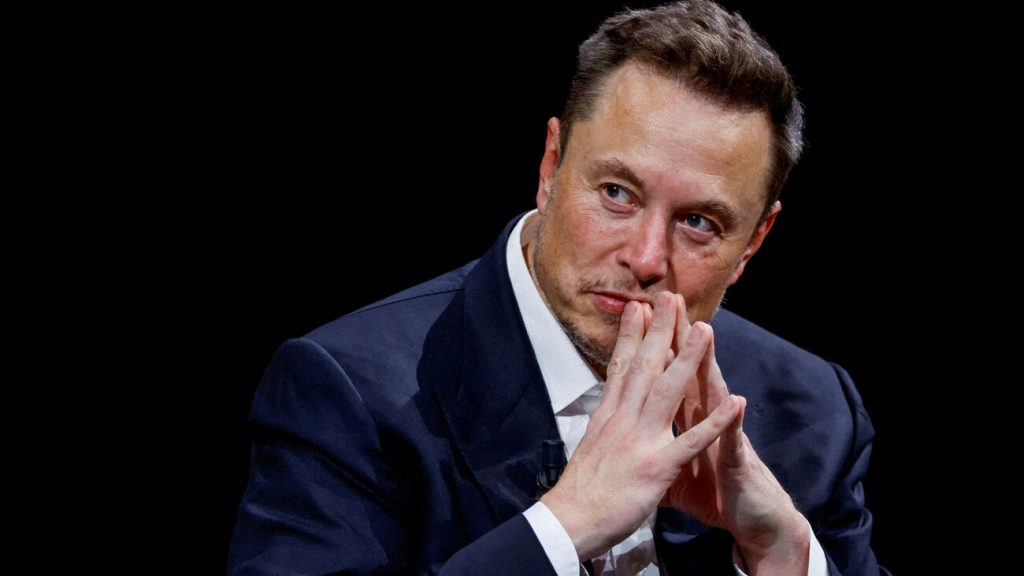
Elon Musk says saving for retirement will become irrelevant in a future dominated by artificial intelligence. The statement, made on the podcast “Moonshots with Peter Diamandis,” sparked immediate reactions from experts and reignited the debate over the impact of technology on the economy and the workforce.
Elon Musk’s Bold Retirement Prediction
During his appearance on the Moonshots with Peter Diamandis podcast, Elon Musk declared that it will not be necessary to save money for retirement in the next 10 to 20 years, because it “won’t make a difference.”
According to the billionaire entrepreneur, advances in artificial intelligence, robotics, and energy will usher in an unprecedented era of abundance. In this scenario, material needs would be easily met, making traditional retirement savings unnecessary.
Musk describes this vision as a kind of “high-level universal income,” in which everyone will have broad access to goods and services.
Artificial Intelligence and the Promise of Total Abundance
Musk envisions a highly optimistic future. He states that:
- Artificial General Intelligence (AGI) could be achieved as early as 2026.
- By 2030, AI could surpass the intelligence of all humans combined.
- Medical services better than those currently available could be accessible to everyone within five years.
- Education and knowledge could be accessed for free.
- There will be no scarcity of goods and services.
“The ideal future is one where anyone can have whatever they want,” Musk said.
However, he also warned of a possible side effect: the loss of human purpose. If work is no longer necessary, what role will people play in this new world?
The Business Empire Behind This Vision
Musk’s confidence in this technological transformation is directly tied to the growth of his companies across multiple sectors:
- Tesla – electric vehicles, autonomous driving, and robotics
- SpaceX and Starlink – space exploration and satellite internet
- xAI – artificial intelligence, including Grok
Recently, consolidation moves involving SpaceX and xAI have significantly increased the value of Musk’s private holdings.
Market analysts estimate that, if the current pace of growth continues — especially if Tesla achieves its AI and autonomous driving goals — Musk could surpass $1 trillion in net worth as early as 2026 or 2027, potentially becoming the first trillionaire in history.
Elon Musk’s Net Worth in 2026
Current estimates vary depending on the methodology:
Musk leads the global billionaire rankings by a wide margin. The second-place billionaire, Larry Page, has an estimated net worth of around $280 billion — nearly three times less.
Experts Push Back on the Advice
Despite Musk’s optimism, retirement and artificial intelligence experts disagree with the idea of abandoning savings.
According to Business Insider, seven experts interviewed stated that people should not stop saving for retirement based on technological predictions.
Professor Ekaterina Abramova of London Business School emphasized that AI will certainly reshape the world over the next 10 to 20 years, but that does not automatically eliminate the need for financial planning.
Other Billionaires Also Bet on AI Transformation
Musk is not alone in predicting profound change. During an appearance on The Tonight Show Starring Jimmy Fallon, Bill Gates said that soon humans will not be needed “for most things.”
According to Gates, intelligence — currently rare and valuable, such as that of top doctors and teachers — could become common and virtually free as AI continues to advance.
Between Technological Optimism and Financial Prudence
Experts warn that predictions about the future of AI do not replace concrete financial planning.
The debate highlights a central dilemma of our time: Should we trust that technology will solve human needs — or continue preparing for economic uncertainty?
As artificial intelligence advances rapidly, the choice between optimism and prudence still ultimately belongs to each individual.