Memory Has Turned Into a Luxury: How the AI Race Is Turning Your Next Smartphone Into a Collector’s Item
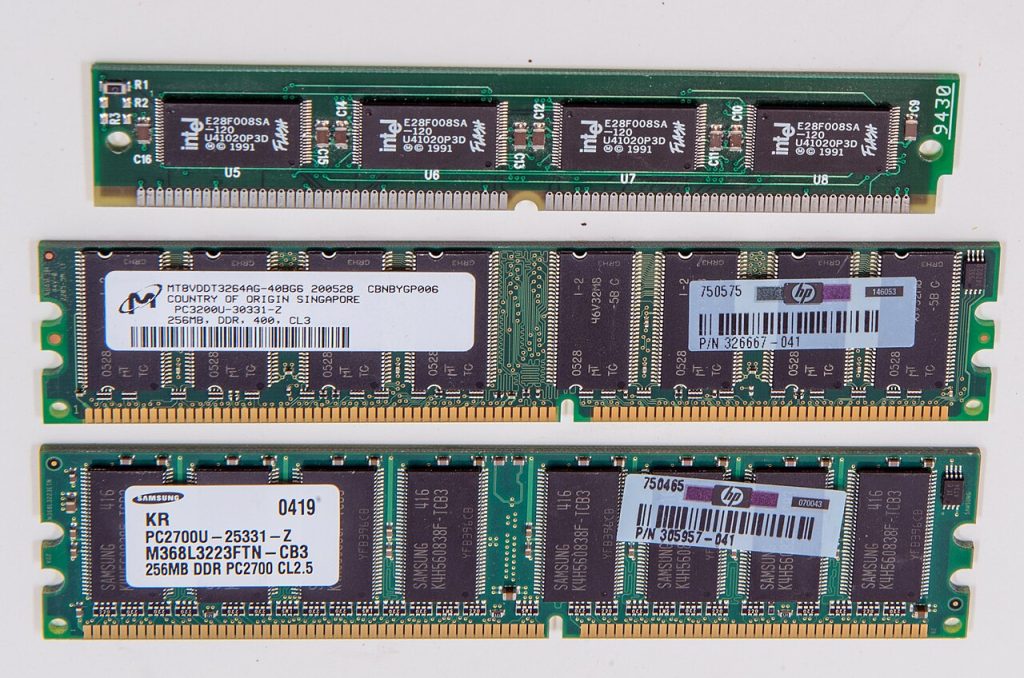
The rapid increase in the price of electronic memory is no longer a problem restricted to the technology industry and has begun to directly affect everyday products consumed by the public, such as smartphones, computers, TVs, consoles, and even smart home appliances. The main cause is the global shortage of memory chips, intensified by the explosion in demand for artificial intelligence (AI) infrastructure.
According to a report by The Economic Times, Manish Bhatia, Executive Vice President of Micron Technology, said that the memory shortage intensified in the last quarter and reached “truly unprecedented” levels, with immediate impacts on the consumer electronics industry.
The South China Morning Post, one of Asia’s most respected newspapers, reported that Xiaomi and Transsion have already significantly cut their shipment estimates for 2026 — including reductions on the order of tens of millions of units — amid tight global memory supply and rising cost pressures.
Which Type of Memory Is in Short Supply? Understand the Differences
The shortage does not involve just one component, but different types of memory, each with specific functions:
• DRAM (Dynamic Random Access Memory)
This is traditional RAM, used in smartphones, PCs, laptops, servers, and consoles.
👉 It is the main driver behind rising smartphone and computer prices, as it is directly tied to device performance.
• HBM (High Bandwidth Memory)
This is an advanced type of DRAM, used almost exclusively in artificial intelligence chips and data center GPUs, such as those from Nvidia.
👉 HBM production is more profitable and is consuming a large share of factory capacity, reducing the supply of “standard” DRAM.
• Flash Memory (NAND)
Used for data storage rather than direct application execution. It is found in smartphones, SSDs, USB flash drives, and memory cards.
👉 It is also under price pressure, but the most critical problem today is concentrated in RAM/DRAM.
The AI Race Is Draining Global Supply
After the launch of ChatGPT in November 2022, a global race to build AI data centers led giants such as Microsoft, Google, and ByteDance to aggressively compete for inventory from the world’s three largest memory manufacturers: Samsung, SK Hynix, and Micron.
Producing HBM for AI servers is more profitable than manufacturing conventional memory. As a result, manufacturers redirected their production, pushing smartphones, PCs, and TVs into the background.
In October 2025, OpenAI took an unprecedented step by signing strategic agreements with Samsung and SK Hynix to enable the Stargate Project. The ambition is colossal: the organization aims to secure the supply of up to 900,000 memory wafers per month through 2029.
To put the scale into perspective, this volume is equivalent to nearly double the global production capacity of HBM (High Bandwidth Memory) chips recorded last year.
By monopolizing such a significant share of semiconductor manufacturing, OpenAI not only shields its AI infrastructure project but also worsens the market imbalance, pushing the consumer electronics industry toward a crisis of shortages and elevated prices.
More Expensive Smartphones and Fewer Affordable Options
This imbalance is already affecting end consumers. Smartphones considered “affordable” tend to become more expensive, while manufacturers cut back on mid-range and entry-level product lines. To preserve profit margins, some brands are considering a return to models with 4 GB of RAM or the reuse of older components.
Samsung and SK Hynix are seeking price increases of up to 70% in DRAM for servers in 2026, which is expected to generate an immediate ripple effect across the mobile sector.
Prolonged Shortage and Future Impacts
SK Hynix has already warned that the memory shortage could persist until the end of 2027, while new conventional chip fabs are only expected to be fully operational between 2027 and 2028. Analysts from IDC and Counterpoint project a decline in global smartphone sales, while the market for used parts continues to grow.
In the end, the AI gold rush is draining essential resources from everyday devices. The invisible chip inside your smartphone has never been so contested — or so expensive.
Sourcers: The Economic Times, South China Morning Post e Astutegroup.com.