Unexpected movements and blinking lights are not just technical glitches; they may be signs that your privacy has been compromised.
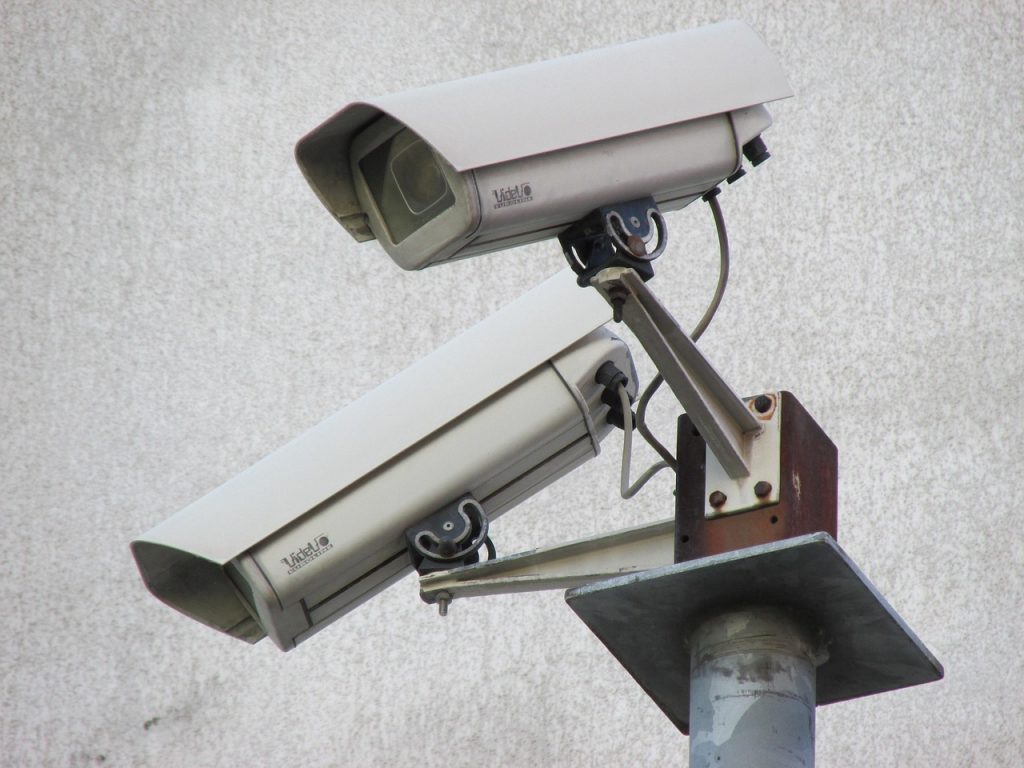
Whether you use security cameras inside or outside your home, the central question remains: are residential or business surveillance cameras truly secure? These devices can help deter burglars and provide evidence in the event of crimes, but they also present real risks of digital intrusion and privacy violations, affecting not only residents but also neighbors and passersby.
Any device connected to the internet can be hacked if it is not properly secured. In the case of IP cameras, an attacker needs only an internet connection, automated tools, and weak or leaked credentials.
Once inside the system, the intruder can view live footage, change settings, disable alerts, or activate two-way audio features without the owner’s knowledge.
In addition, a digital intruder can analyze the property’s layout, monitor residents’ daily habits, identify when the home is unoccupied, and even locate where valuable items are kept.
The South Korea case: silent intrusion and extortion
The seriousness of this risk became evident in a recent case in South Korea, where authorities arrested and charged four cybercriminals for illegally accessing images from approximately 120,000 IP camera users. A notable detail is that the criminals did not operate as a coordinated group; instead, they individually exploited multiple security vulnerabilities.
The attackers sought sexual content involving minors and adults, earning tens of thousands of dollars by selling the footage online to specific websites. In many cases, access to the cameras lasted months or even years, proving that intrusions can be silent, long-term, and difficult to detect.
Authorities also warned that watching, storing, or purchasing illegally obtained videos is itself a crime, extending legal responsibility beyond the hackers alone.
Common technical vulnerabilities
One of the biggest current threats is cloud storage. Many Wi-Fi cameras automatically upload recordings to external servers. If these servers are breached, videos of family routines, private conversations, and intimate moments can be leaked.
Technical tests have also identified recurring flaws, such as:
- Brute-force attacks: some systems allow unlimited login attempts, making it easier to crack weak passwords or short patterns, such as six-character combinations.
- Insecure session keys: in certain models, the temporary key from the last login remained valid even after logout, allowing unauthorized access.
- Data transmission without end-to-end encryption.
- Outdated firmware filled with known vulnerabilities.
- Apps that request excessive mobile permissions, such as access to contacts, microphone, precise location, and more.
These weaknesses show that many devices still fail to meet basic cybersecurity standards, requiring improvements from manufacturers and greater attention from consumers.
Signs your camera may be compromised
Some abnormal behaviors may indicate a breach:
- Intermittent or blinking lights, especially green lights that indicate live streaming
- Unexpected movements, such as rotation or zoom not initiated by the user
- Unexplained spikes in household internet usage
Any camera activity you did not initiate should be treated as a security warning.
How to protect your privacy and security
To reduce risks and prevent intrusions, experts recommend:
- Change default credentials immediately after installation. Use strong passwords with at least 8 characters, combining uppercase and lowercase letters, numbers, and symbols. Never reuse passwords.
- Enable two-factor authentication (2FA) or biometric login, if available.
- Prefer local storage, such as SD cards or closed local networks (LAN), avoiding automatic cloud uploads.
- Disable extra features, such as permanent remote access, voice assistants, and smart integrations, enabling them only when necessary.
- Respect legal privacy requirements: when monitoring domestic workers, such as nannies, you must inform them about the cameras and their rights. Warning signs are also recommended for visitors.
- Never access your cameras via public Wi-Fi or on devices without administrative permissions.
Countries such as the United States, Germany, Finland, and Singapore have already adopted cybersecurity labeling systems for IoT devices, aiming to inform consumers about product protection levels.
Security and privacy must go hand in hand
While residential and industrial surveillance cameras offer important protection against theft and intrusions, they can become gateways to serious privacy violations if not properly configured. The balance between physical security and digital security depends on smart choices, ongoing maintenance, and responsible use of technology.
When used correctly, cameras can protect a home or business without exposing private life — but the responsibility for security begins at the moment of installation.
Sources and References: