The litmus test that Waymo has yet to pass
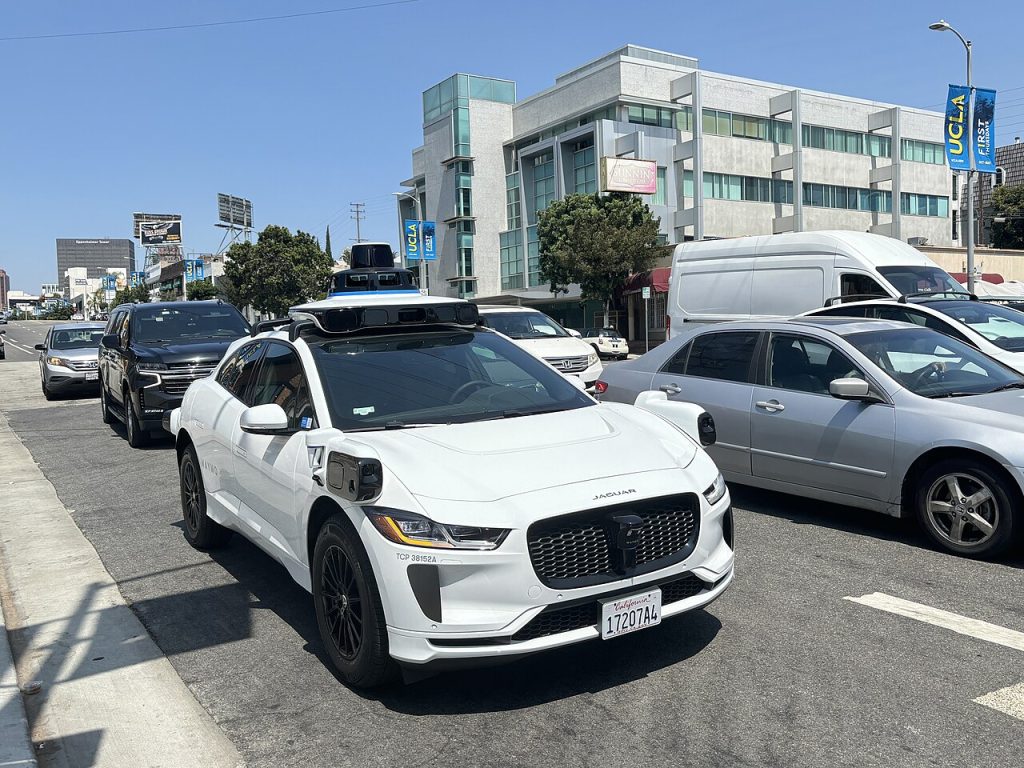
Imagine the scene: a typical Saturday in San Francisco is suddenly interrupted by a massive power outage. The city’s fog is pierced by dozens of flashing lights from futuristic vehicles. But they are not moving.
Dozens of Waymo autonomous cars simply “froze,” turning key intersections into virtual ghost parking lots. The episode immediately raised a red flag for authorities: are cities truly ready for fully autonomous vehicles?
A History of Distrust
Waymo has faced questions about the reliability of its technology before. In May 2024, the company carried out a recall of more than 1,200 vehicles after software flaws caused some cars to collide with chains and gates. Those incidents highlighted limitations in detecting small or unusual objects in urban environments.
In an earlier case, a Waymo vehicle ran over a cat in San Francisco, and in another incident, a cyclist was struck at an intersection after the software failed to detect the rider behind a truck.
Taken together with the recent fleet “freeze” in the dark on December 20, these events have intensified the debate over the risks of artificial intelligence in densely populated cities.
The Domino Effect of Digital Silence
The incident began after a fire at a PG&E (Pacific Gas and Electric Company) substation, leaving about 130,000 customers without power. Although Waymo vehicles are programmed to treat dark traffic signals as four-way stops, the scale of the outage overwhelmed the system.
The problem was worsened by the robots’ excessive “politeness.” When a Waymo detected a stopped vehicle ahead, the next one waited patiently, creating a domino effect that blocked entire intersections. While human drivers maneuvered around the stalled cars and pedestrians ran between them, the Alphabet-owned vehicles waited for a cloud-based safety confirmation that was delayed by a surge in requests.
The Cost of Delay: Emergencies at Risk
The paralysis was more than a traffic inconvenience. The fire chief reported that immobilized vehicles delayed responses to two separate fires, including the one at the substation itself.
The episode alarmed transportation experts and elected officials, who fear that Waymo’s rapid expansion in San Francisco is outpacing its ability to respond to major emergencies.
At a press conference reported by The San Francisco Chronicle, Mayor Daniel Lurie was blunt in his demands for action:
“I called Waymo’s CEO and asked them to remove the cars from the streets immediately,” he said.
The incident exposed the system’s fragility. Without a stable power grid and 5G connectivity, the electronic “brain” of these vehicles appears to hesitate. The lingering question is clear: what happens in a worse scenario, such as a major earthquake?
Innovation or Corporate Experimentation?
While State Senator Scott Wiener, speaking to the Chronicle, pointed to failures in PG&E’s infrastructure as the root cause, criticism from the local community has grown louder.
Joseph Augusto, an Uber driver and member of the California Gig Workers Union, was more direct:
“Public safety must come before corporate experimentation.”
He argues that Waymo’s permits should be suspended until the company can prove its vehicles can operate safely during emergencies.
Waymo’s Response: Lessons Learned
Waymo, which currently operates around 1,000 vehicles in San Francisco, described the incident as a learning moment. The company said that while it successfully navigated more than 7,000 dark signals that day, the concentrated congestion was unprecedented.
The company announced immediate measures, including:
- Software updates to provide vehicles with specific context during power outages.
- Improved emergency response protocols so human operators can take control more quickly.
- A 24/7 direct line for first responders and authorities.
For Waymo, this may be a decisive moment to prove that its cars can navigate not only sunny days and fiber-optic networks, but also the unpredictable chaos of the real world.