Lawsuit filed in Wisconsin represents more than 1,000 homes allegedly affected by constant noise and light pollution from the company’s $7.3 billion AI megacampus.
🔍 What you need to know:
- Residents sue Microsoft over “unbearable noise”: A class action lawsuit accuses the Fairwater AI megacomplex of generating constant noise from generators and cooling systems 24/7.
- More than 1,000 homes affected: Neighbors report sleepless nights, changes in work shifts, light pollution that erased the starry sky, and heavy dust.
- Microsoft claims it’s resolved, but the fight continues: The company announced mitigation measures in June 2026, but the class action was filed in July — a clear sign that many residents did not accept the solution.
The controversy around AI data centers has mostly focused on their huge energy consumption and heavy use of local water resources. In Wisconsin, however, residents are suing Microsoft over something else: excessive noise.
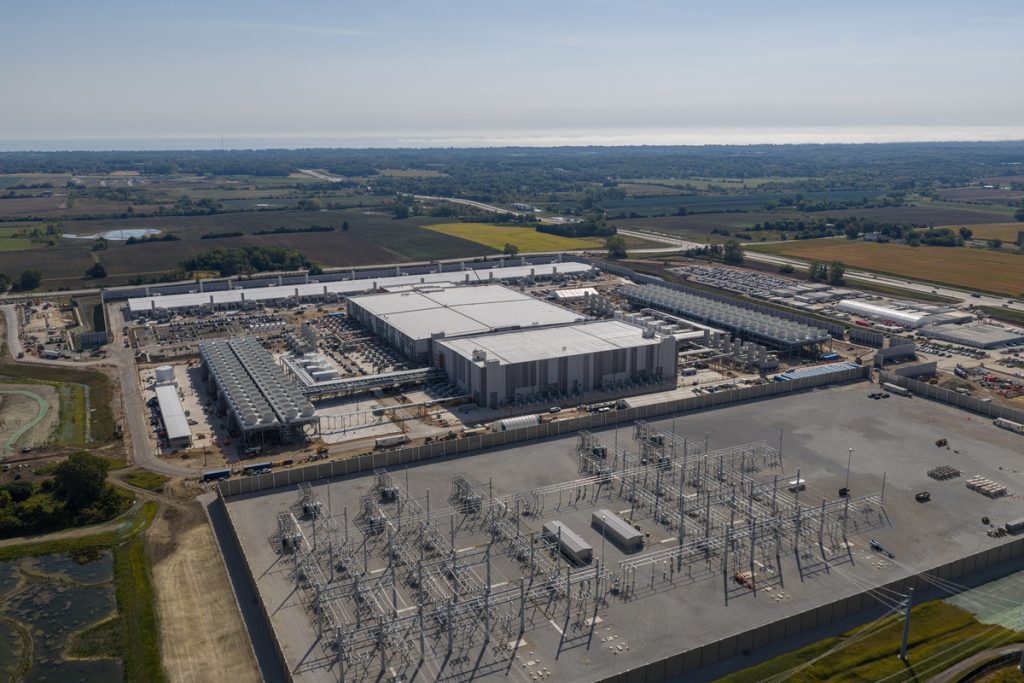
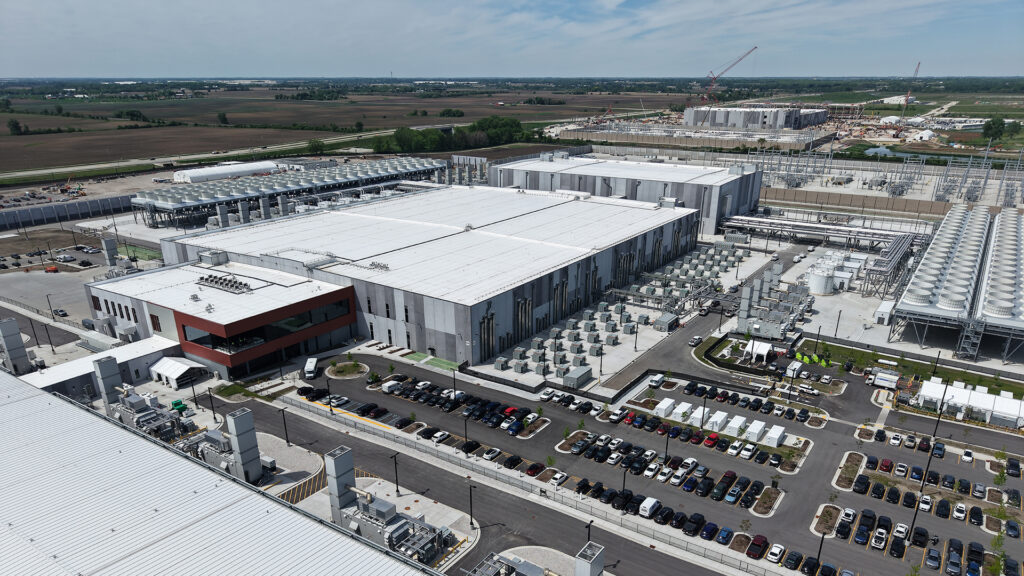
The Fairwater data center opened in September 2025 and was touted as the largest and most advanced in the industry. Microsoft CEO Satya Nadella described it as “the most powerful AI data center in the world.” According to the company, each rack with NVIDIA Blackwell GPUs can process around 865,000 tokens per second. The entire project is valued at $7.3 billion.
Lawsuit Represents More Than 1,000 Homes
The suit was filed by three residents of Sturtevant, next to Mount Pleasant, home to Microsoft’s Fairwater AI data center.
It seeks to represent everyone living within a 1.5-mile (2.4 km) radius. More than 1,000 homes are said to be affected. Plaintiffs are seeking unspecified damages, claiming the noise is not only excessive but constant and widespread.
The complaint identifies diesel generators and the facility’s HVAC systems — including chillers, cooling towers, air handling units, and condenser fans — as the main sources of the noise.
Residents Report Sleepless Nights and Light Pollution
Plaintiffs say the constant noise has taken a serious toll. One resident reported that it severely disrupted his sleep, while another had to change work shifts just to get rest.
Neighbors are also complaining about excessive dust, construction traffic, and bright light pollution. One said the dust is sometimes so thick he can’t see his own house when arriving home. Another lamented that the once dark, starry night sky has been replaced by the intense glow of the data center.
Microsoft’s Response and the Timeline Conflict
The lawsuit claims Microsoft failed to install proper acoustic barriers or soundproofing, allowing noise to spill into nearby neighborhoods.
Microsoft pushed back on June 18, 2026, saying it had investigated and implemented mitigation measures. The company stated: “Several neighbors confirmed what our independent monitoring showed: these measures completely resolved the problem.”
Despite this, the class-action lawsuit was filed on July 1, 2026, indicating that not everyone was convinced by the company’s efforts.
Construction Continues in Phases Until 2028
Microsoft started building the campus in 2023, with work scheduled to continue in phases through at least 2028.
The company says the project fully complies with Mount Pleasant’s municipal code, which permits construction from 6 a.m. to 10 p.m., seven days a week. The case is now moving forward in the courts.
Sources and References
- WISN 12 News – Residents sue Microsoft over noise from Mount Pleasant data center
- Microsoft Official Blog – Inside the world’s most powerful AI datacenter
- LinkedIn – Satya Nadella: Official Project Announcement
- Microsoft On the Issues – Made in Wisconsin: The world’s most powerful AI datacenter
- Wisconsin Examiner – Mount Pleasant residents file class action suit over Microsoft data center noise
- Microsoft Local – Testing underway to understand noise at our Mount Pleasant datacenter
- Wisconsin Public Radio (WPR) – Microsoft sued following noise complaints at new Mount Pleasant data center
- Windows Central – Microsoft hit with class-action lawsuit over unreasonable and excessive noise from datacenter