Prosecutors say he used VPNs, thousands of bots and a vast catalog of AI-generated music to manipulate royalty payments for years.
🔍 What You Need to Know
- The Taylor Swift Comparison: In April 2023, Michael Smith’s automated accounts played his AI-generated tracks 80.9 million times, compared to just 9.3 million streams for Taylor Swift’s entire catalog on YouTube Music family plans.
- Billions of Fake Streams: Smith used AI-generated music, thousands of bot accounts, and VPNs to artificially inflate his play counts. By 2024, he boasted that the scheme had generated over 4 billion streams and $12 million in royalties since 2019.
- Prison and Million-Dollar Forfeiture: Smith was sentenced to 18 months in prison, and the court ordered the forfeiture of $8.09 million of his assets. According to the U.S. Department of Justice, it was the first criminal case of its kind in the country involving AI-assisted music streaming fraud.
A North Carolina musician has been sentenced to 18 months in federal prison for using AI-generated songs and bots to fake billions of streams and collect millions of dollars in royalties.
U.S. District Judge John G. Koeltl handed down the sentence on October 6 in Manhattan federal court, according to the U.S. Attorney’s Office for the Southern District of New York.
One comparison shows the scale of the fraud. In April 2023, Taylor Swift’s entire catalog received 9.3 million streams through YouTube Music family plans. That same month, Michael Smith’s bot accounts streamed his AI-generated tracks 80.9 million times.
How AI-Generated Music Became a Multimillion-Dollar Fraud
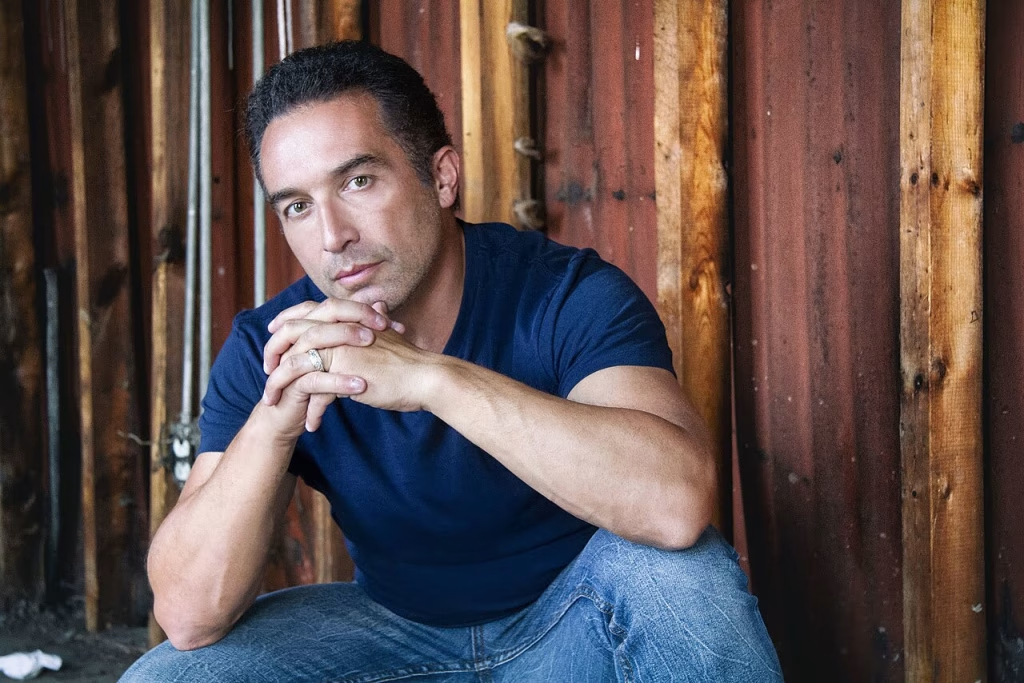
Michael Smith, 54, built a system to mass-produce songs and create an artificial audience to listen to them.
According to court documents, he uploaded hundreds of thousands of AI-generated tracks to Spotify, Apple Music, Amazon Music, and YouTube Music.
He had help from the CEO of an AI music company and a music promoter. The company supplied Smith with thousands of tracks a week. Under their agreement, he paid $2,000 a month or 15% of the streaming revenue those songs generated, whichever was higher.
Smith then used automated accounts to play the tracks repeatedly, artificially increasing his share of royalty payouts.
A Factory for Fake Streams
By 2017, Smith was already running more than 1,000 bot accounts. In an email to himself, he described a setup of 52 cloud-service accounts, each linked to 20 bots.
By his own calculations, each bot could stream about 636 songs a day, adding up to roughly 661,000 streams daily.
At the royalty rates he estimated, that could generate more than $1.2 million a year.
In February 2024, Smith bragged to accomplices that the operation had generated more than 4 billion streams and $12 million in royalties since 2019.
How the Scheme Evaded Anti-Fraud Systems
The operation used several tactics to avoid detection by streaming platforms:
- VPNs: The bots connected through virtual private networks, making their activity appear to come from different networks and locations.
- A massive catalog: In an October 2018 email, Smith said they needed “a TON of content with small amounts of Streams” to avoid raising issues “with the powers that be.”
The strategy spread fake streams across a huge catalog rather than concentrating them on a small number of tracks.
Where the Money Came From
Streaming services generally don’t pay a fixed rate per play. Instead, royalties are distributed from pools tied to platform revenue, with payouts based on each track’s share of streams during a given period. The precise models vary by service and type of royalty.
By manufacturing streams, Smith increased his catalog’s share of those pools, reducing the amounts available to other rights holders. Legitimate artists and songwriters could therefore receive less than they otherwise would have.
Prosecutors said Smith received more than $14 million in total from royalty-paying entities. The court ordered him to forfeit $8,091,843.64. That figure reflected deductions for estimated legitimate earnings and money he had paid back into royalty pools through purchases of the streaming accounts used by his bots.
AI Wasn’t the Crime
Creating music with artificial intelligence isn’t illegal in itself.
The crime was using AI-generated tracks and automated accounts to manipulate streaming numbers and collect royalties for plays that didn’t come from real listeners.
The Sentence
On March 19, 2026, Smith pleaded guilty to one count of conspiracy to commit wire fraud.
On October 6, he was sentenced to 18 months in federal prison and two years of supervised release. He was also ordered to forfeit $8.09 million. Prosecutors had sought at least 46 months in prison.
The Justice Department described the case as the first criminal prosecution of its kind in the United States involving AI-assisted music streaming fraud.
The case highlights a growing challenge in the AI era: technology can make music production faster and cheaper, but it can also be combined with fake audiences and automated accounts to exploit royalty systems. Streaming platforms must distinguish genuine listening from activity designed to manipulate payouts.
Sources and References
- U.S. Department of Justice: Initial Case Indictment
- Music Business Worldwide: Sentencing and Fraud Coverage
- U.S. Department of Justice: Official Sentencing Press Release
- U.S. Department of Justice: Court Document (PDF)