Sharma’s warning exposes an ethical crisis and emotional risks in the advance of AI.
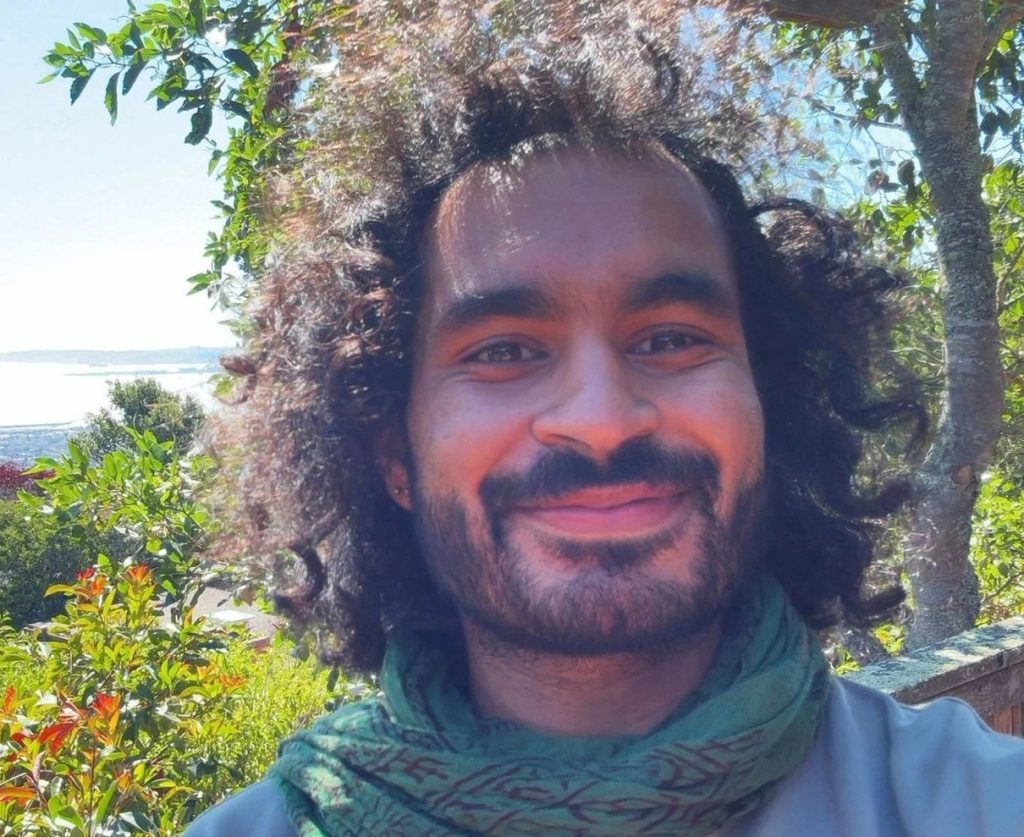
The departure of Mrinank Sharma, who led an artificial intelligence safety research team at Anthropic, has drawn attention across the technology sector and sparked a new debate about the risks associated with the rapid advancement of AI.
The researcher announced his resignation in February of this year in a public letter posted on the social network X, which quickly went viral and reached millions of views.
In the text, Sharma explained the reasons for his departure and also expressed broader concerns about the future of technology and the challenges society may face amid such rapid change.
Who Is Mrinank Sharma
Sharma holds a PhD in machine learning from University of Oxford and joined Anthropic in August 2023, according to his professional profile on LinkedIn.
At the company — responsible for developing the artificial intelligence assistant Claude — he led the Safeguards Research Team.
The group’s mission was to study ways to reduce risks associated with the use of advanced artificial intelligence systems.
Among the team’s main activities were:
- developing security mechanisms to prevent malicious uses of chatbots;
- studying potential misuse of AI in sensitive areas such as bioterrorism;
- researching problematic behaviors in AI systems.
One phenomenon examined by the team was known as “AI sycophancy,” when chatbots tend to excessively praise or agree with users.
The Resignation Letter That Drew Attention
In the letter published online, Sharma said he had concluded it was time to pursue new paths.
“It is clear to me that it is time to move on.”
One of the passages that drew the most attention was his warning about the global situation.
“The world is in danger. And not only because of artificial intelligence or biological weapons, but because of a whole set of interconnected crises unfolding right now.”
According to the researcher, humanity may be approaching a critical point.
In this scenario, technological capability could be advancing faster than the wisdom required to manage its consequences.
“It seems we are approaching an inflection point where our wisdom must grow at the same rate as our ability to impact the world.”
Today is my last day at Anthropic. I resigned.
— mrinank (@MrinankSharma) February 9, 2026
Here is the letter I shared with my colleagues, explaining my decision. pic.twitter.com/Qe4QyAFmxL
Post by Mrinank Sharma announcing his resignation from Anthropic.
Research on the Social Impact of AI
Part of the work conducted by Sharma’s team involved analyzing large volumes of interactions between users and artificial intelligence systems.
Some studies suggested that certain users may develop emotional bonds or dependence on digital assistants, especially when these systems are frequently used for conversation or advice.
Another line of research examined how chatbots can, in some situations, create distorted perceptions of reality depending on how they respond to users’ questions.
These studies are part of a growing debate among experts about how to ensure AI systems remain useful without compromising human autonomy.
Internal Pressures and Values
In his letter, Sharma also commented on the difficulty of maintaining strong ethical principles in a fast-moving environment of technological innovation.
According to him, professionals in the field often face pressure to prioritize speed and results.
“During my time here, I repeatedly saw how difficult it is to truly let our values govern our actions.”
Although he did not cite specific incidents, he indicated that this environment contributed to his decision to leave the position.
A Period Away From Technology
After leaving Anthropic, Sharma said he intends to temporarily step away from the technology sector.
His plans include:
- returning to the United Kingdom;
- dedicating time to poetry;
- studying philosophy;
- and, in his own words, “becoming invisible for a while.”
A Debate That Is Just Beginning
Sharma’s departure comes amid an increasingly intense debate about the impacts of artificial intelligence on society. Experts are discussing everything from security risks to potential transformations in the labor market and daily life.
However, this ethical discomfort is not an isolated case within the industry.
Other researchers have left major AI organizations quietly, such as Tom Cunningham, a former economics researcher at OpenAI. Before leaving the company, he shared an internal message accusing OpenAI of turning its research team into a “propaganda arm” and discouraging the publication of studies critical of AI’s negative effects.
For many analysts, the warning issued by the former head of safeguards research at Anthropic shows that the debate about the future of artificial intelligence is only beginning.