Tests start in the U.S. and signal a significant shift in OpenAI’s business model
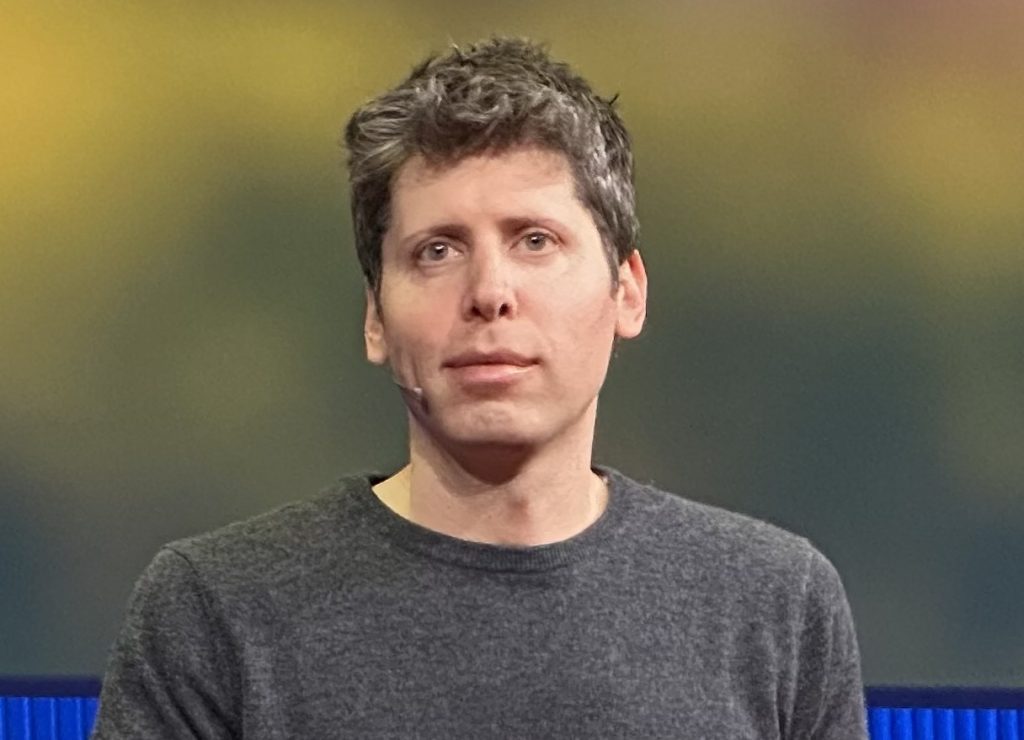
OpenAI has announced that ChatGPT will begin displaying advertisements as part of a new strategy to expand its revenue streams and sustain the high costs of artificial intelligence development. The decision marks a significant shift in stance by CEO Sam Altman, who in the past had expressed resistance to traditional online advertising.
Below, understand how the ads will work, who will be affected, which plans will remain ad-free, and what this change reveals about the future of ChatGPT and OpenAI.
Ads on ChatGPT: Who Will See Advertising
According to Sam Altman, ads will be shown exclusively to users on the free plan and the new ChatGPT Go plan, an $8-per-month subscription positioned between the free plan and Plus.
“We’re starting to test ads on the free plans and the Go plan (a new $8/month option) of ChatGPT,” Altman wrote on X (formerly Twitter).
Subscribers to the Plus ($20/month), Pro ($200/month), Business, and Enterprise plans will remain completely ad-free, reinforcing a monetization strategy based on different tiers of access.
We are starting to test ads in ChatGPT free and Go (new $8/month option) tiers.
— Sam Altman (@sama) January 16, 2026
Here are our principles. Most importantly, we will not accept money to influence the answer ChatGPT gives you, and we keep your conversations private from advertisers.
It is clear to us that a lot… https://t.co/f9Dv53rWU7
Why OpenAI Decided to Introduce Ads
Altman acknowledged that there is growing demand for intensive access to artificial intelligence without direct costs.
“For us, it’s clear that a lot of people want to use a lot of AI without paying for it, so we’re hopeful that a business model like this can work,” the CEO said.
The introduction of ads is an attempt to balance accessibility, financial sustainability, and technological expansion at a time when OpenAI is investing heavily in AI infrastructure.
A Shift in Sam Altman’s View on Advertising
Historically, Sam Altman has shown aversion to traditional advertising, especially the models adopted by major internet platforms.
In 2024, during a podcast with Lex Fridman, he stated:
“I kind of hate ads, just as an aesthetic choice.”
Now, however, Altman signals a change in perspective and draws a comparison with Meta’s Instagram:
“One example of ads that I like are Instagram ads, where I’ve found things I enjoyed and never would have found otherwise.”
According to him, the goal is to make ads increasingly useful to users while minimizing the sense of intrusion.
How Ads Will Be Displayed on ChatGPT
OpenAI explained that ads will:
- Appear at the bottom of responses, never within the AI-generated text
- Be clearly labeled as “Sponsored”
- Be visually and functionally separated from organic responses
- Be triggered based on the ongoing conversation, not on external user profiles
Demonstration images released by the company show ads in a colored box, positioned above or below the response.
Important: advertisers will not be able to pay to influence the content of the chatbot’s answers.
Limits and Rules for Advertising
OpenAI has established several restrictions to preserve user trust:
- No ads will be shown to users under 18
- Ads will not appear alongside responses on sensitive topics such as health, mental health, or politics
- Users will be able to click to understand why they received a specific ad
- User data will not be shared with marketing companies
In an official statement, the company emphasized:
“We’ll learn from feedback and improve how ads are shown over time, but our commitment to putting users first and maintaining trust won’t change.”
Tests Begin in the U.S. Later This January
Ads will initially be tested only on ChatGPT for users in the United States, with the rollout expected to begin later in January.
Revenue Pressure and Billion-Dollar Investments
The decision highlights the financial pressure faced by OpenAI, which is investing heavily in data centers and computing infrastructure.
The startup, which still operates at an operational loss, plans to invest more than $1 trillion in artificial intelligence infrastructure by 2030 and is preparing for a highly anticipated initial public offering (IPO).
In a blog post, OpenAI stated:
“Our enterprise and subscription businesses are already strong, and we believe in a diversified revenue model where ads can play an important role in making intelligence accessible to everyone.”
Risks: Users May Migrate to Competitors
Despite the safeguards, analysts warn that the presence of ads could irritate some users and affect perceptions of ChatGPT’s neutrality.
If ads are seen as clumsy or opportunistic, users may easily migrate to competing chatbots that are vying for the same space in the generative AI market.
What to Expect Going Forward
OpenAI makes it clear that this is an early testing phase, with adjustments based on user feedback over the coming months.
The introduction of ads in ChatGPT represents a new chapter in the monetization of artificial intelligence, seeking to balance free access, financial sustainability, and user trust — a challenge that may define the platform’s future.