Silver’s accelerated surge outpaces gold and reinforces global appetite for safe-haven assets.
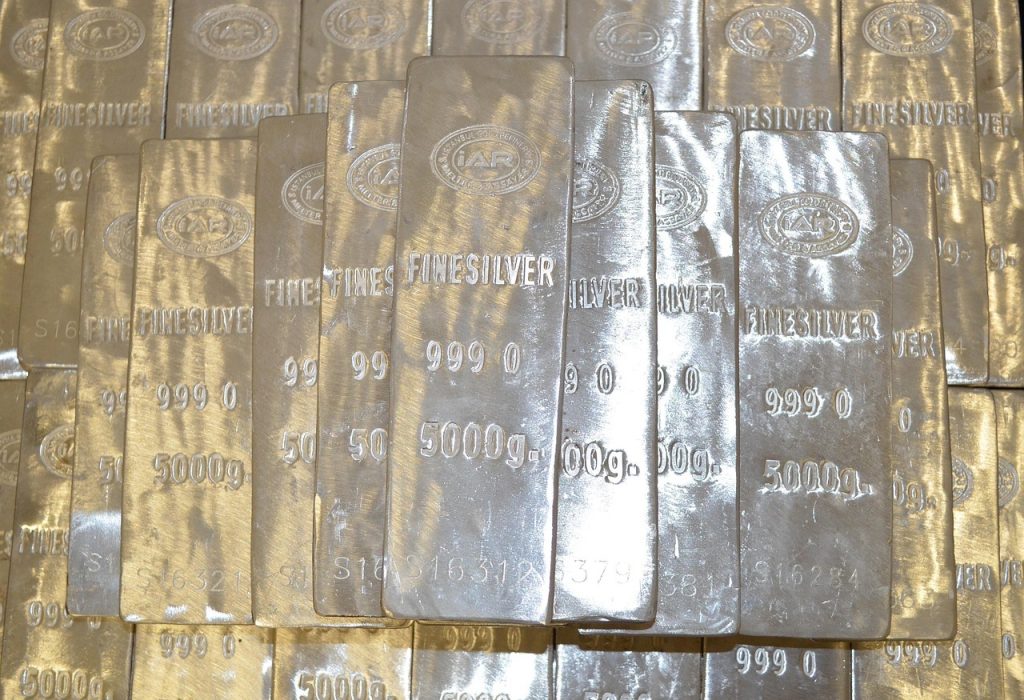
Gold and silver reached historic levels this week, but it was silver that stole the spotlight, posting a much sharper percentage gain over a short period. The move reflects a mix of institutional tension in the United States, economic expectations, and growing caution among global investors.
Silver Outperforms Gold and Draws Market Attention
During the January 14, 2026 trading session, silver emerged as the standout among precious metals. Spot silver jumped 5.2%, reaching US$ 91.46 per ounce, after touching an intraday all-time high of US$ 92.23.
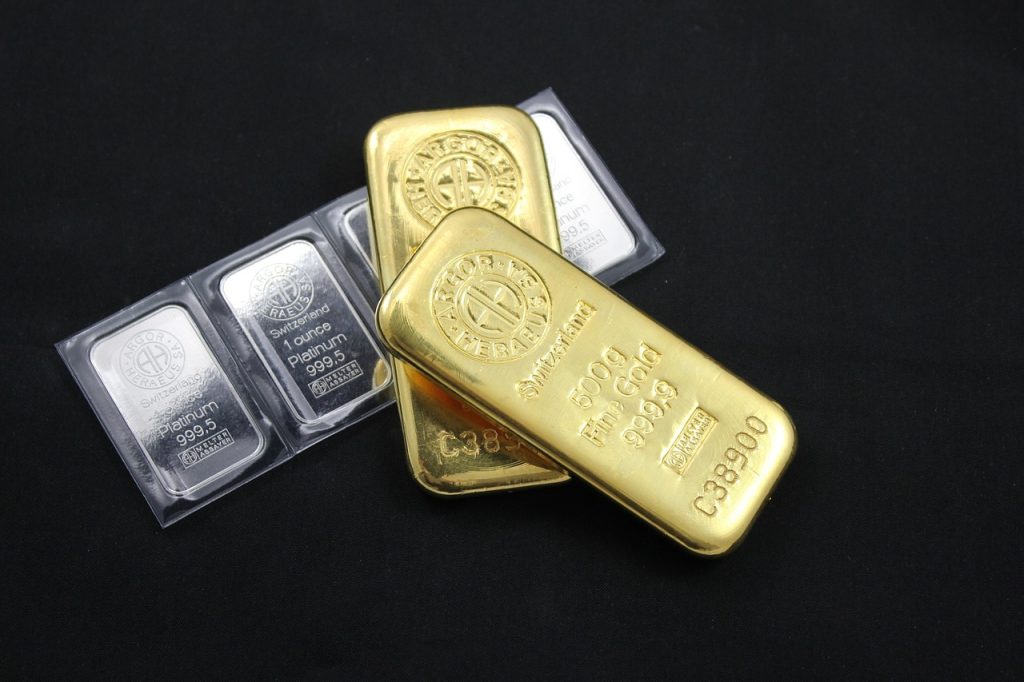
Over the same period, gold also renewed its historical highs, surpassing US$ 4,600 per ounce, but at a more moderate pace, with gains between 1% and 2%.
This behavior reinforces a well-known market pattern: during precious metals bull cycles, silver tends to rise faster than gold, although it also shows higher volatility.
Why Did Silver Surge So Sharply?
Silver’s strong rally is the result of a combination of factors:
- Rising industrial demand, especially from solar energy, electronics, and technologies tied to the energy transition;
- Recurring demand from the medical and pharmaceutical sectors for silver in antimicrobial applications;
- Limited supply, with production failing to keep pace with growing consumption;
- Speculative positioning, driven by the search for assets with further upside potential;
- Safe-haven demand, amid economic and monetary uncertainty.
Unlike gold, silver is not only a store of value but also an industrial commodity, which increases its appeal in investment environments linked to technological growth.
Why Did Gold Hit a New All-Time High?
Gold reached a new record mainly due to concerns over the independence of the Federal Reserve (Fed), the U.S. central bank. The alarm was raised after members of the Trump administration publicly mentioned the possibility of criminal action against Fed Chair Jerome Powell.
👉 The core of the controversy is not an ongoing formal accusation, but rather the political threat of targeting Powell over alleged institutional misconduct or decisions considered harmful to the economy—especially regarding delays in cutting interest rates.
Even when such initiatives remain rhetorical, markets interpret them as attempts to intimidate or pressure the monetary authority—something viewed as extremely sensitive in advanced economies.
This type of political pressure increases fears of interference in interest rate decisions, inflation control, and monetary policy, an environment that historically favors gold as a safe-haven asset.
Global Geopolitical Tensions Also Boost Precious Metals
Beyond U.S. domestic factors, the rise in gold and silver prices also reflects a broader environment of global geopolitical tension, including armed conflicts, instability in the Middle East, and strategic disputes among major powers.
Such conditions lead investors to reduce exposure to higher-risk assets and increase allocations to precious metals, traditionally seen as stores of value during times of crisis. Expectations of lower future interest rates and persistent inflation across several economies further reinforce this trend.
What Experts Say About the Coming Months
According to Bart Melek Ebkarian, an analyst cited by Reuters, the outlook for silver remains positive despite volatility:
“We expect some volatility, but I see silver at US$ 100 as similar to US$ 90. Our short-term forecast ranges between US$ 100 and US$ 144,” Ebkarian said, adding that metals are likely to maintain their upward trend throughout the first quarter.
(Source: Reuters)
Outlook for Gold and Silver
- Gold: Likely to remain elevated as protection against global political instability, fiscal risks, and shifts in monetary policy.
- Silver: Combines financial value with industrial demand, which may support high prices for a longer period.
Tip for Attentive Investors
A simple indicator to watch is the gold-silver ratio, which shows how many ounces of silver are needed to buy one ounce of gold.
👉 When this ratio falls rapidly, it means silver is appreciating faster than gold—a sign that it may continue to outperform the yellow metal in the short and medium term, helping investors adjust their portfolios according to their risk profile.