Inside the Smart Glasses Boom That Left the Rest of the World Waiting
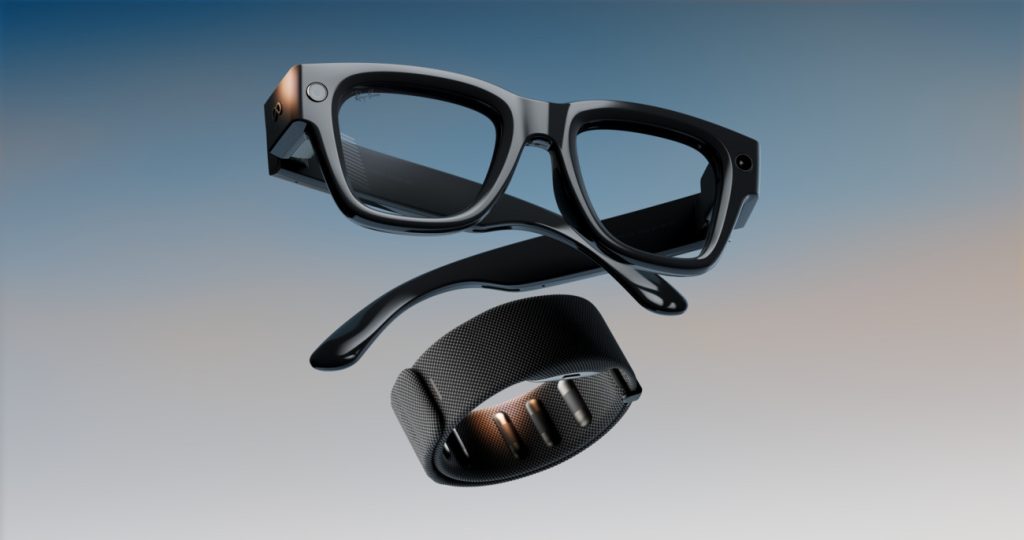
Meta, the parent company of Facebook, announced on its official website on Tuesday (6) a temporary suspension of the international launch of its new smart glasses, the Ray-Ban Meta Display, following much higher-than-expected demand in the U.S. market. The decision affects countries such as the United Kingdom, France, Italy, and Canada, where the product was expected to arrive in early 2026.
According to the company, the measure was necessary due to the extremely limited inventory of a product it describes as “unprecedented,” combined with waiting lists that already extend into 2026.
What Are Ray-Ban Meta Display Glasses and How Do They Work?
Developed in partnership with EssilorLuxottica, the owner of Ray-Ban, the new glasses represent a significant advance in the smart wearable segment. The Ray-Ban Meta Display combines Augmented Reality (AR), artificial intelligence, and a discreet design, while preserving the brand’s traditional aesthetic.
Video: Official Meta presentation showcasing the Ray-Ban Meta Display features.
Among the main features are:
- High-resolution color display integrated into a single lens, with 600×600 pixel resolution, brightness of up to 5,000 nits, and a 20-degree field of view
- Display of messages, maps, notifications, and AI commands without blocking the user’s vision
- Ultra-high-definition photo and video capture
- Live content streaming
- Conversation-focused AI assistant, capable of performing real-time translations in multiple languages
- Gesture control via the Meta Neural Band, a neural wristband based on EMG signals
Meta’s goal is to merge advanced technology with everyday fashion, making the Augmented Reality experience more natural and socially acceptable.
Strong Sales, Scarcity, and Waiting Lists Until 2026
Since the official launch on September 30, 2025, the glasses have sold out quickly in U.S. stores. In the first quarter alone, Meta sold 15,000 units, reaching 6% market share in the smart glasses segment.
In an official blog post, the company stated:
“Since launch, we’ve seen enormous interest, and as a result, waiting lists now extend into 2026.”
The device is priced at US$799. The combination of high technological complexity and supply chain constraints, especially involving microdisplays and semiconductors, has made it difficult to rapidly scale production.
Technical Challenges and Production Bottlenecks
Industry sources indicate that integrating the advanced display, along with features such as AI-powered translation, high-definition video, and neural control, requires extremely precise assembly, which limits scalability.
Additionally, early users praised the design and functionality, but reported high battery consumption during intensive use, an issue Meta plans to address through software updates and hardware adjustments.
Legal and Regulatory Obstacles May Delay European Launches
Another relevant factor is the regulatory challenges, particularly in the European Union. Stricter data protection laws, such as the GDPR, may complicate the commercialization of devices capable of capturing images, videos, and contextual data in real time.
These requirements may demand specific software adaptations as well as additional regulatory approvals, contributing to Meta’s decision to reassess its international strategy before moving forward.
Secondary Market, Competition, and Impact on Investors
Product scarcity has already fueled a secondary market, with resales at inflated prices, reminiscent of highly disputed sneaker or game console launches.
Meanwhile, competitors such as Apple, Google, and Snap are closely monitoring the situation. Apple’s smart glasses project, Apple Glass, which has yet to be launched, could benefit if Meta’s delays create a temporary gap in the market.
From a financial perspective, the reaction has been positive. According to Business Insider, Meta’s shares rose following the announcement, with analysts interpreting the strong demand as a validation of Mark Zuckerberg’s bet on the metaverse and wearable computing.
Global Expectations Remain High
Although the delay extends the wait in other countries, Meta states that the pause will allow for improvements in production, software stability, and feature expansion. For international markets, the key question is whether global interest will remain strong until the product becomes widely available.
The situation highlights a recurring challenge for major tech companies: transforming disruptive innovation into sustainable global scale — especially in a world still constrained by limited supplies of critical components.