Many common products contain animal-derived ingredients that are not clearly disclosed to consumers. From processed foods to beverages and everyday items, these substances often go unnoticed. This article explores seven widely used products that may contain ingredients of animal origin and presents plant-based or vegan alternatives.
7. Gelatin

Gelatin is that curious character in the dessert world: colorful, translucent, wobbly, and always looking like it’s ready to dance at any moment.
The Animal Origin of Traditional Gelatin
The most common gelatin on the market is made primarily from collagen, which is the main ingredient in gelatin. Collagen is a protein extracted from animal connective tissues, such as skin, bones, and cartilage, usually from cattle or pigs. This collagen is processed to form the base of gelatin.
Vegan Alternatives: Gelatin Without Animal Ingredients
However, there are vegan gelatin alternatives that replace animal collagen with plant-based ingredients to create the same gelatinous texture.
Agar-Agar: The Most Popular Plant-Based Substitute
Derived from seaweed, agar-agar is widely used as a gelatin substitute. It has a firm texture, is easy to use in recipes, and is colorless and odorless, making it ideal for a wide range of culinary applications.
6. Medication Capsules
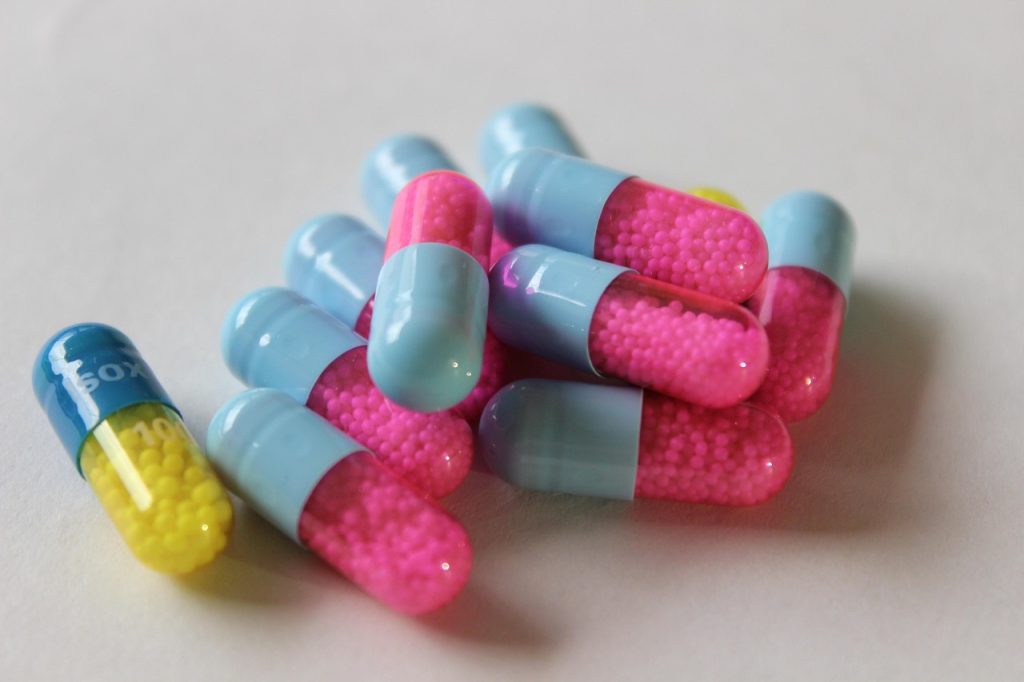
Who would have thought that the little pill we take thinking only about healing is actually coated in… gelatin? And not just any gelatin, but one made from animal bones and skin.
The Use of Gelatin in Medication Capsules
Yes, most medication capsules are made of gelatin derived from animal tissues, typically from cattle or pigs. This material is widely used due to its low cost and beneficial properties, such as fast dissolution in the stomach and easy handling during manufacturing.
This has raised concerns among vegan groups, as gelatin is not suitable for those following a strictly plant-based diet. The issue is especially relevant in countries like India, where a significant portion of the population is vegan, increasing demand for alternatives.
Plant-Based Alternatives for Capsules
To meet this demand, there are capsules made from hydroxypropyl methylcellulose (HPMC), a substance derived from plant cellulose. These capsules are 100% plant-based, making them a popular option for vegans and people with religious or cultural restrictions.
Other alternatives, such as capsules made from pea starch or carrageenan (derived from seaweed), are becoming increasingly common in the production of medications and supplements.
Challenges and Benefits of Vegan Capsules
These alternatives offer properties similar to gelatin capsules, such as easy digestion and durability. However, large-scale production still faces challenges, including higher manufacturing costs, capsule fragility, and variability in drug release rates.
5. Beer and Wine

A Toast with a Twist: Unexpected Ingredients in Beer and Wine
Imagine confidently taking a sip of wine or beer thinking, “This is just grapes and barley!”—only to discover that a fish bladder crashed the party. It’s the kind of surprise that turns a toast into an existential question. But don’t worry—vegan-friendly options do exist.
The Role of Isinglass and Other Animal-Derived Ingredients
Many beers and wines may contain non-vegan ingredients, such as isinglass, a type of collagen used to remove suspended particles like yeast and grape skins that make beverages cloudy.
Isinglass works by attracting these particles, which then clump together and sink to the bottom, leaving the liquid clearer and accelerating sedimentation. It is extracted mainly from the swim bladders of freshwater fish, especially sturgeon.
In addition to isinglass, other animal-derived products such as gelatin, egg whites, and casein may also be used in the clarification process.
Isinglass Functions and Vegan Alternatives
Isinglass serves two main purposes: sedimentation and clarification, and its use is not limited to clear beverages. However, due to rising demand for vegan products, many brands now use plant-based or alternative clarification methods, such as activated charcoal, algae, or bentonite clay.
4. Candies, Gummies, Dairy Products, Beverages, and Red or Pink Toppings
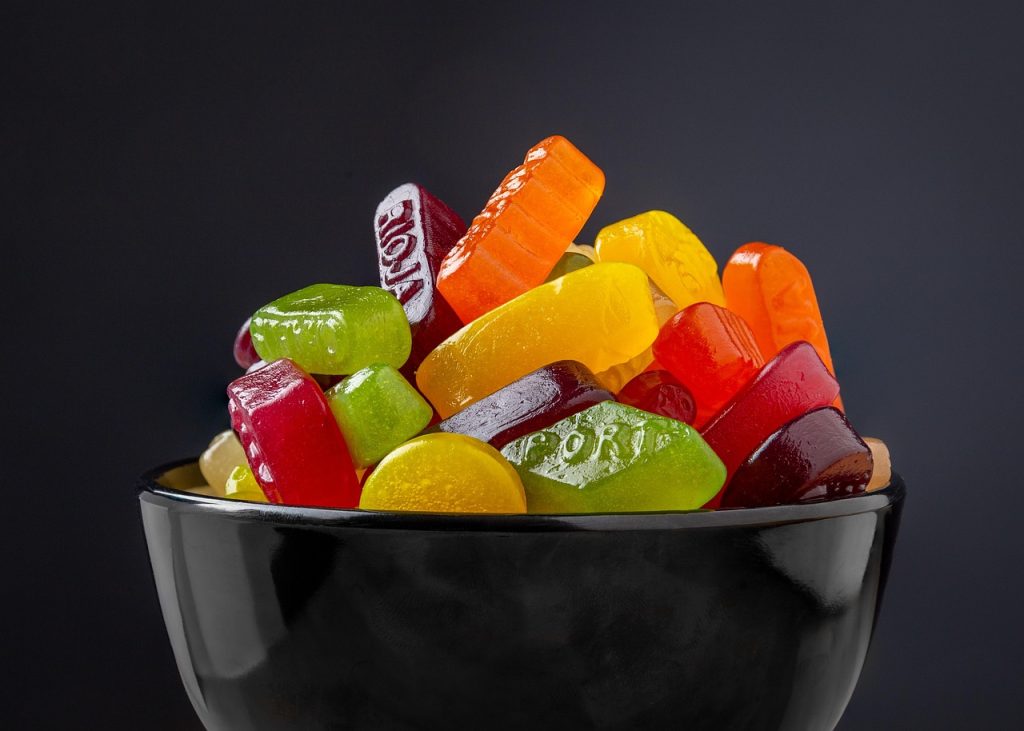
Many people are surprised to learn that some reddish foods—like yogurts and candies—contain an unexpected ingredient: insects.
What Is Cochineal?
Carmine dye, widely used in food and cosmetics, is extracted from cochineal insects (Dactylopius coccus), commonly found on cacti. These insects are harvested, dried, and crushed to produce carminic acid, which gives carmine its vibrant red tones.
How Carmine Dye Is Produced
The process involves collecting the insects, drying them (either in the sun or in ovens), and chemically extracting the pigment. The dye is then purified and prepared for use in foods and cosmetics.
Everyday Products That Contain Carmine
Common products that may contain carmine include:
- Yogurts with red fruit flavors (such as strawberry and raspberry)
- Fruit beverages, including juices and sodas
- Candies and chewing gum with red coloring
- Baked goods and confectionery items, such as icings, fillings, and colored toppings
What Are We Really Eating? Understanding Cochineal Use
Despite popular myths, the dye is not made from insect blood. It comes from carminic acid, a compound the insect produces as a defense mechanism against predators. This compound is extracted from the dried bodies of female cochineal insects and results in a bright red dye.
Ethical Concerns and Consumer Choices
While carmine is considered safe for most people, vegans, vegetarians, and individuals with religious restrictions often avoid it due to its animal origin.
3. Condoms
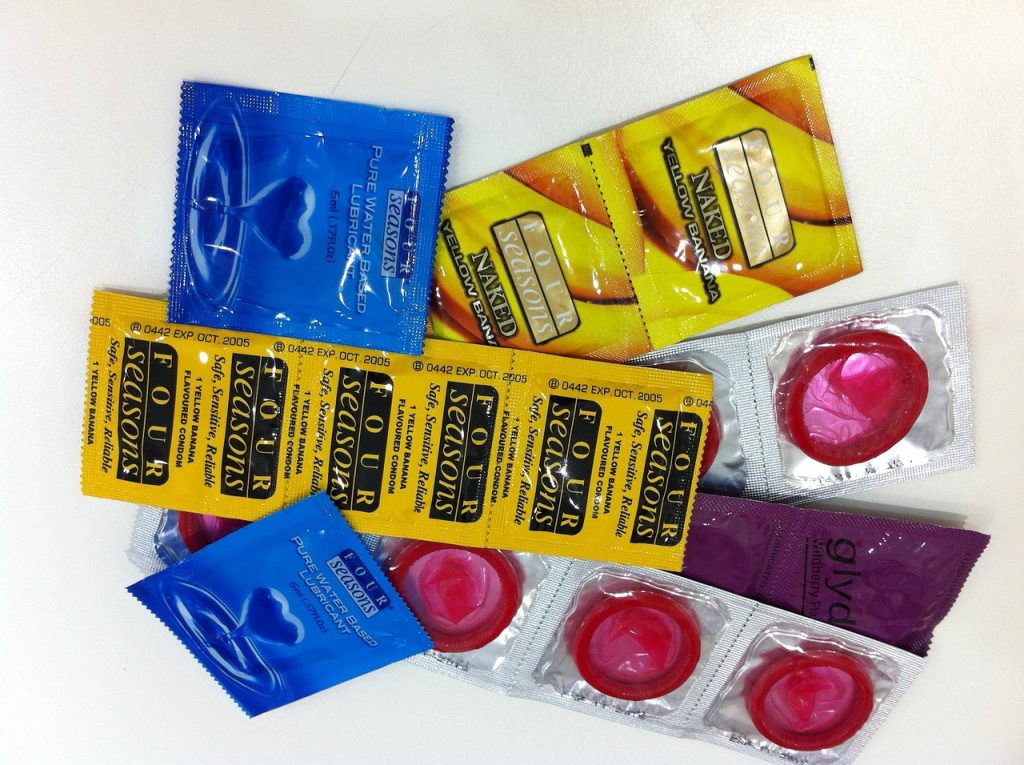
Traditional latex condoms do not usually contain animal ingredients directly, but during manufacturing, latex may be treated with casein, a protein derived from milk. As a result, although latex itself is plant-based, the presence of casein means these condoms are not considered vegan.
“Natural Skin” or Lambskin Condoms
There are also condoms made from sheep intestines, known as natural skin or lambskin condoms. These are animal-derived and, while effective at preventing pregnancy, they do not protect against sexually transmitted diseases (STDs) because the material’s pores can allow viruses to pass through.
The Use of Glycerin in Condoms
Condoms may also contain glycerin-based lubricants. Glycerin can be derived from animal fats or vegetable oils such as palm, soy, or coconut oil.
Vegan Condom Options
For those avoiding animal-derived products, vegan condoms are available. These are made without casein or animal-derived glycerin and are typically produced from polyurethane, vegan latex, or other synthetic materials.
2. Candles and Crayons

Many people are surprised to learn that everyday products like candles and crayons may contain animal-derived ingredients, such as beef or sheep fat.
Historically, tallow—rendered animal fat—was widely used because it was cheap and burned well. Although alternatives like paraffin and plant-based waxes are now common, animal components are still sometimes used.
Paraffin: The Dominant Material in the United States
In the United States, paraffin wax, derived from petroleum, is the most widely used material in candles and crayons due to its low cost and availability. Companies such as Yankee Candle (candles) and Crayola (crayons) highlight paraffin as their primary raw material.
The Use of Stearic Acid as an Additive
Stearic acid, which can be of animal or plant origin, is often added to paraffin to increase hardness, improve opacity, extend burn time, and make candles easier to remove from molds. A common ratio can be up to 40% stearic acid and 60% paraffin.
Why Animal-Derived Stearic Acid Is Common
Animal-derived stearic acid, mainly extracted from beef tallow, is generally cheaper because tallow is an abundant byproduct of the meat industry.
Recommendations from Animal Rights Organizations
For this reason, animal rights organizations recommend that consumers assume stearic acid is animal-derived unless explicitly stated otherwise.
Vegan and Synthetic Alternatives
To avoid animal ingredients, consumers can choose vegan-certified candles and crayons, made exclusively from plant-based or synthetic materials.
1. Industrial Breads, Cakes, and Pasta

The Most Surprising Item on the List: L-Cysteine in Breads and Pasta
We’ve reached number one—and this one truly surprises most people. Many processed bread and pasta products contain an additive called L-cysteine, which is often extracted from poultry feathers or animal hair.
What Is L-Cysteine and What Is It Used For?
L-cysteine is an amino acid that improves dough elasticity, makes it easier to handle, and speeds up fermentation. Products that often contain L-cysteine include:
- Packaged breads (such as sandwich bread and burger buns)
- Ready-made pizza dough
- Cookies and crackers
- Instant noodles
Common Sources of L-Cysteine
Most L-cysteine produced worldwide—including in the United States—comes from animal sources, commonly extracted from poultry feathers, pig hair, and historically, even human hair. While the use of human hair was more common in the past, it has largely been replaced by poultry feathers due to availability and lower cost. To learn more about the use of human hair in food, visit the following link The Fact Base.
The Shift Toward Synthetic Sources
There is a growing movement toward synthetic L-cysteine, driven by ethical concerns and demand from the vegan market. Animal-derived L-cysteine is cheaper because its raw materials are byproducts of the food and livestock industries. Synthetic or plant-based versions are more expensive due to complex chemical and fermentation processes.
Synthetic L-Cysteine
This is currently the most widely used alternative, especially by large manufacturers seeking Kosher, Halal, or vegan certification.
- Production Method: Bacterial fermentation
- Origin: Non-animal
- Advantages: Accepted as Kosher, Halal, and vegan
- Disadvantage: Higher production cost
Plant-Based L-Cysteine
Less common on an industrial scale but still available.
- Production Method: Extracted from plant proteins (such as yeast extract) via hydrolysis
- Origin: Plant-based
- Advantages: Vegan and perceived as more “natural”
- Disadvantages: Rarer and more expensive for large-scale production
How to Avoid Animal-Derived L-Cysteine
Under U.S. food labeling laws, this additive must be listed on product labels. Want to avoid animal-derived L-cysteine? Choose certified vegan products, which guarantee synthetic or plant-based sources, or look for labels that do not include it at all.
And if you prefer the most natural option of all—switch to homemade bread and say goodbye to poultry feathers once and for all. 🥖✨