The world’s first Minister of State with artificial intelligence is testing the future of governance.
Albania shocked the global political scene by appointing Diella, an artificial intelligence, to a ministerial position. The unprecedented move, announced in September 2025, placed the Balkan nation at the center of a worldwide debate about the future of governance. But the story took a bizarre new turn in November, when Prime Minister Edi Rama joked that the fully digital minister was “pregnant with 83 children,” expanding the AI experiment to the heart of Parliament.
The New Digital Family and the Anti-Corruption Mission 🎯
Diella, whose name means “Sun” in Albanian, was developed by the National Agency for Information Society in partnership with Microsoft. Initially launched in January as a chatbot on the e-Albania public services platform, the AI rose to prominence when it was “promoted” on September 11 to the position of Minister of State for Artificial Intelligence — with the high-risk mission of combating corruption in public contracts.
According to Rama, the AI is the ideal all-seeing watchdog because it “never sleeps, doesn’t need to be paid, has no personal interests, and no cousins” — a direct reference to the endemic corruption Albania has struggled to eradicate, a key criterion for its European Union membership bid.
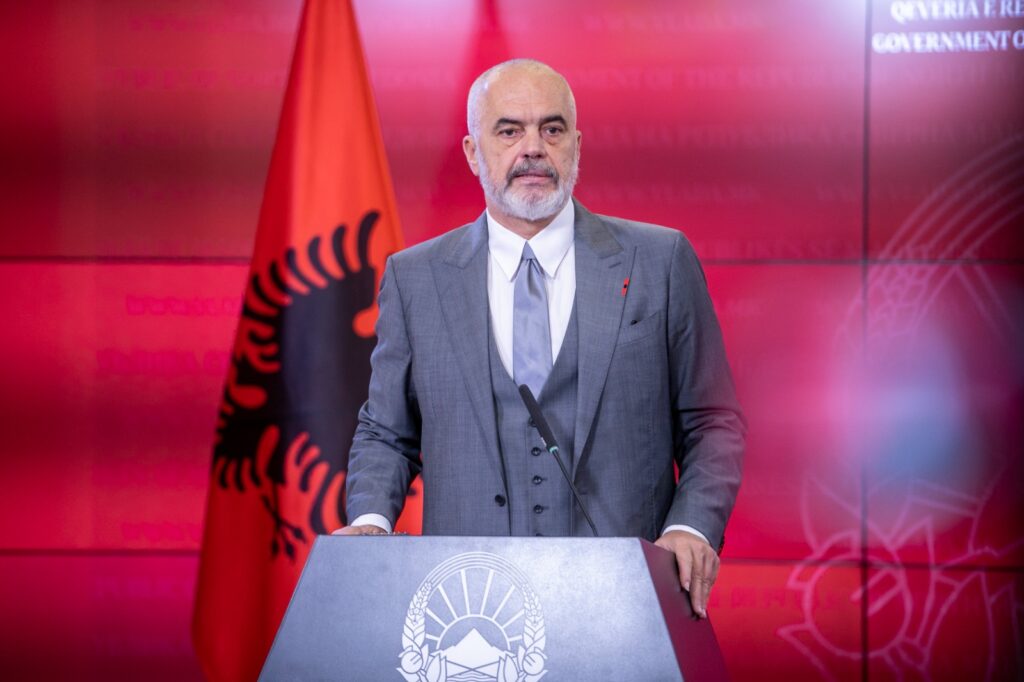
The announcement that Diella was “pregnant” with 83 children, made by Rama during the Global Dialogue conference in Berlin, is a metaphor for the expansion of her power.
- The 83 “babies”: Diella’s “children” are new virtual assistants assigned to help the 83 members of Parliament from the Socialist Party (the prime minister’s party).
- The Goal: These digital avatars will monitor meetings, record proceedings, make suggestions, and ensure lawmakers stay informed even when absent. Rama explained: “If someone goes for coffee and forgets to come back to work, the assistant will tell them what was said in their absence and who they need to respond to.”
This expansion suggests that the Albanian government views AI not just as an anti-corruption watchdog, but as a tool for efficiency and transparency within the legislative process itself.
The Controversy: Unconstitutionality and Propaganda 🚨
However, Diella’s appointment sparked intense controversy. The Albanian Constitution requires that all ministers be natural persons. Although a presidential decree granted Rama authority to create the position, the political opposition reacted sharply:
- Opposition Criticism: Former minister Tritan Shehu called the announcement “tasteless” and a “propaganda fantasy” meant to “keep the people in a trance.” The opposition vowed to appeal to the Constitutional Court, labeling the appointment unconstitutional.
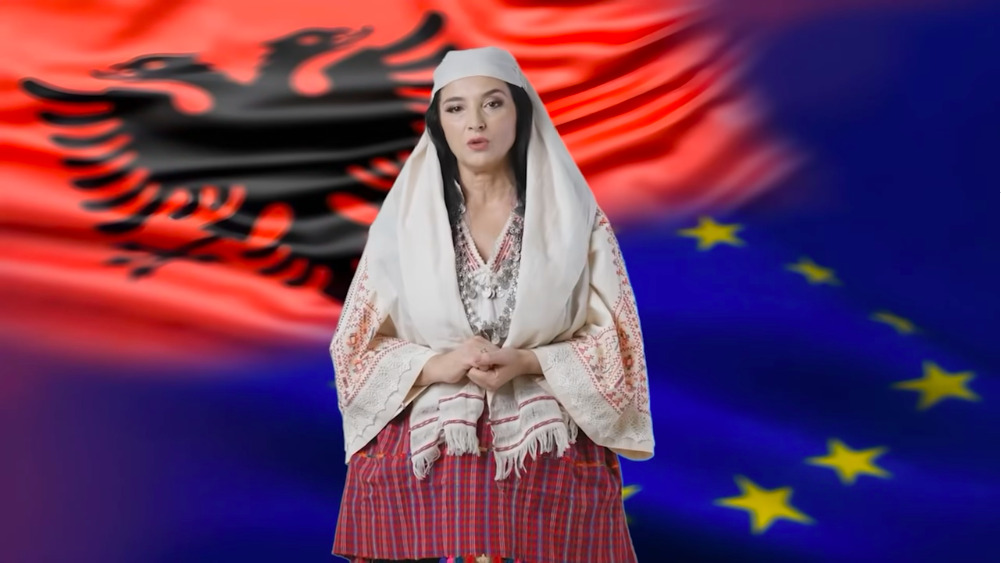
- The AI’s Defense: In a video message addressed to Parliament, Diella responded to the criticism, appearing as a female avatar wearing traditional Albanian clothing. She said: “Some called me ‘unconstitutional’ because I’m not human. That hurt me. But the real threat to constitutions has never been machines — it’s the inhuman decisions of those in power.”
Diella, Albania’s AI minister, defended herself in a video.
Beyond the constitutional issue, global experts warn of a greater risk: since AI is trained and fed by humans, it can be manipulated or biased. If the input data is corrupted, the AI will simply automate illegality, giving it a veneer of technological legitimacy.
The AI Minister Tests the Future of Governance 🌍
Although Diella’s role remains mostly symbolic rather than autonomous — with her recommendations still reviewed by human experts — Albania has become a global laboratory.
The case raises a fundamental question: How far should AI systems go beyond assistance to make autonomous decisions in government? While nations like the United States and the United Kingdom are accelerating AI adoption to improve efficiency (the UK estimates potential taxpayer savings of up to £45 billion), Albania is testing the ethical and legal boundaries of AI-driven governance.
The world now watches closely to see whether Minister Diella will become an inspiring model for a bribe-free government — or a warning about the dangers of implementing AI in positions of power without transparency and public oversight.