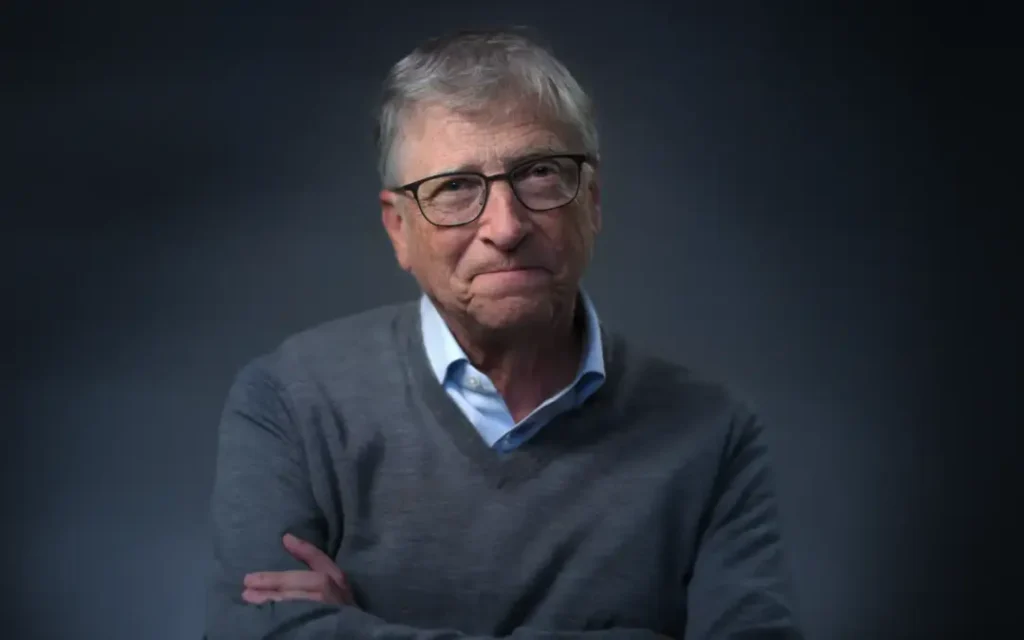
Microsoft co-founder Bill Gates, 69, has been vocal about the sweeping impact artificial intelligence (AI) is expected to have on the workforce. According to Gates, AI will automate many routine tasks, allowing workers to focus more on creative and meaningful work.
The Fields Most Affected by AI
Gates pointed out that the fields of medicine and education will be among the most impacted over the next ten years. High-quality medical advice and personalized tutoring will become widely accessible—and even free—thanks to major tech advancements.
He made these remarks during a recent interview with Jimmy Fallon on The Tonight Show.
3 Careers That Will Thrive Despite AI
Despite the ongoing revolution, Gates highlighted three professional areas that are expected to remain strong in the age of AI:
1. Biology and Biomedical Research
Professionals working with living organisms and biological systems will continue playing a key role—especially in biomedical research and the development of new treatments. While AI can help analyze massive datasets and speed up discoveries, hands-on experimentation and human interpretation will still be essential.
2. The Energy Sector
With growing demand for sustainable solutions, energy experts will be crucial in designing and deploying new technologies. Beyond wind and solar, Gates emphasized the importance of nuclear energy as part of the clean energy transition.
He has already invested over $1 billion in TerraPower, a nuclear energy startup. In an interview with CBS, he confirmed this amount and expressed his willingness to keep funding the tech with billions more.
3. AI Development and Innovation
Ironically, AI itself will create new job opportunities. Gates stresses the need for professionals who can design, build, and improve AI systems, ensuring they are effective, safe, and ethically aligned. Creativity and a deep understanding of human needs will be key advantages in this field.
Concerns and Challenges of AI
Although Gates views AI as a powerful tool, he also acknowledges the risks it poses. In a blog post, he warned about AI-generated mistakes and misinformation, and called for proper regulation and oversight.
Another voice in the discussion is Mustafa Suleyman, CEO of Microsoft AI, who believes AI will have a deeply disruptive impact on jobs. In his book The Coming Wave, Suleyman argues that while AI will first boost human productivity, it will eventually replace many traditional roles, triggering profound economic shifts.
A Shorter Workweek—and a New Future
Gates also believes AI could help reduce the average workweek, giving people more time for meaningful activities like elder care. While many jobs will change, he thinks some areas—especially entertainment and genuine human creativity—will remain uniquely human.
In the end, Gates encourages young people to get familiar with AI now. This technology is set to transform society—and those who are prepared will be best positioned to turn its challenges into opportunities.