Tech Meets Faith
In Lucerne, Switzerland, St. Peter’s Chapel has taken a bold step by introducing an AI-powered “Jesus” to temporarily replace the priest in its confessional booth. The innovative project allowed visitors to engage in spiritual conversations with a holographic representation of Jesus Christ—bringing technology and faith together.
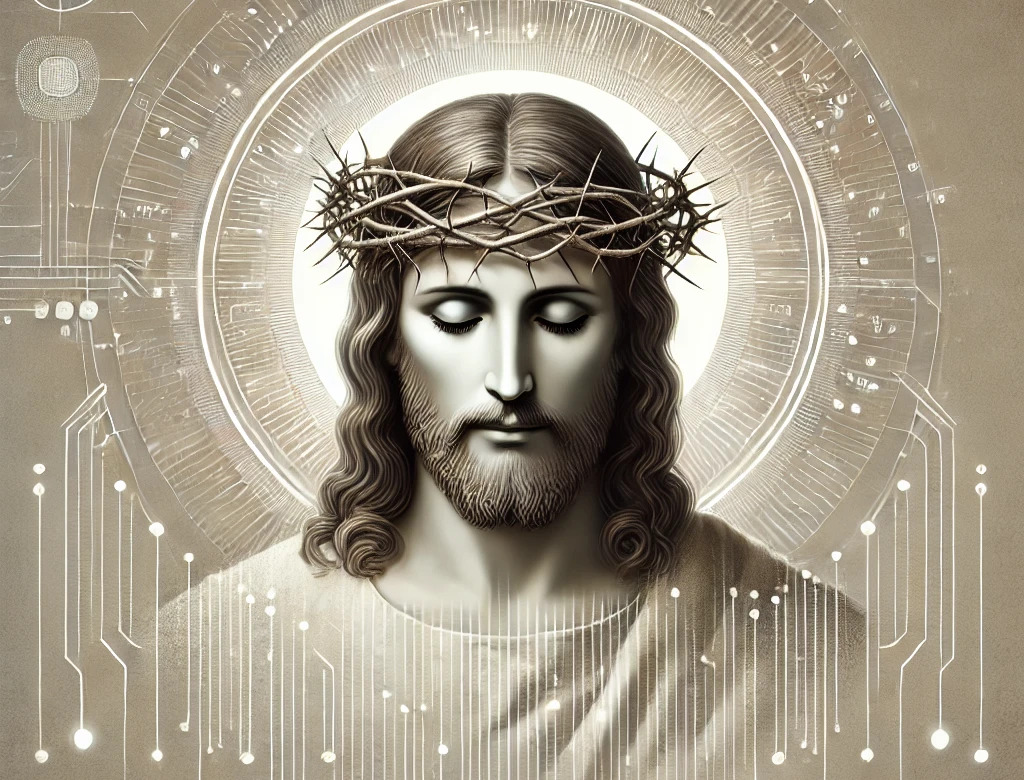
Inside the “Deus in Machina” Project
This initiative was part of the “Deus in Machina” project, which ran from August 23 to October 20, 2024, exploring how artificial intelligence can be used in religious settings.
The AI system used cutting-edge tools:
- OpenAI’s GPT-4 to generate answers,
- Whisper for speech recognition,
- Heygen for voice and video generation.
Visitors could ask questions to a digital image of Jesus projected on a screen, which responded in real time in over 100 languages. The AI was trained with theological texts to align with Christian teachings.
Reactions from the Public
During the two-month pilot, more than 1,000 people—including international tourists—interacted with the AI Jesus avatar.
According to theologian Marco Schmid, around two-thirds of participants described their experience as spiritually positive.
However, critics said the AI’s responses were shallow or repetitive and questioned whether it offered meaningful spiritual guidance.
Ethical and Theological Debates
The project sparked discussion about the role of AI in religious life.
Marco Schmid stressed that the AI isn’t meant to replace traditional confession, but rather to offer a new form of spiritual interaction. He noted that AI Jesus is available 24/7, offering moments of reflection outside regular pastoral hours.
Still, some religious critics called the use of AI in sacred contexts inappropriate—even blasphemous. Ethicists warned against handing over spiritual counseling to machines, arguing that human connection is essential for authentic religious experiences.
Final Thoughts
St. Peter’s “Deus in Machina” project in Lucerne marks a pioneering attempt to blend AI with spirituality.
While it provided meaningful experiences for many, it also raised important ethical and theological questions about the future role of technology in religion.