Forgotten inheritances, an aging population, and increasingly isolated rural towns have created one of the most striking social phenomena in modern Japan.
🔎 What You Need to Know
- Japan has officially recorded 8.99 million vacant houses
- This figure represents 13.8% of all homes in the country
- Projections indicate that Japan could reach 15 million vacant properties by 2040
- Real estate market in Japan: Out of the country’s approximately 65 million housing units, only 56 million are occupied.
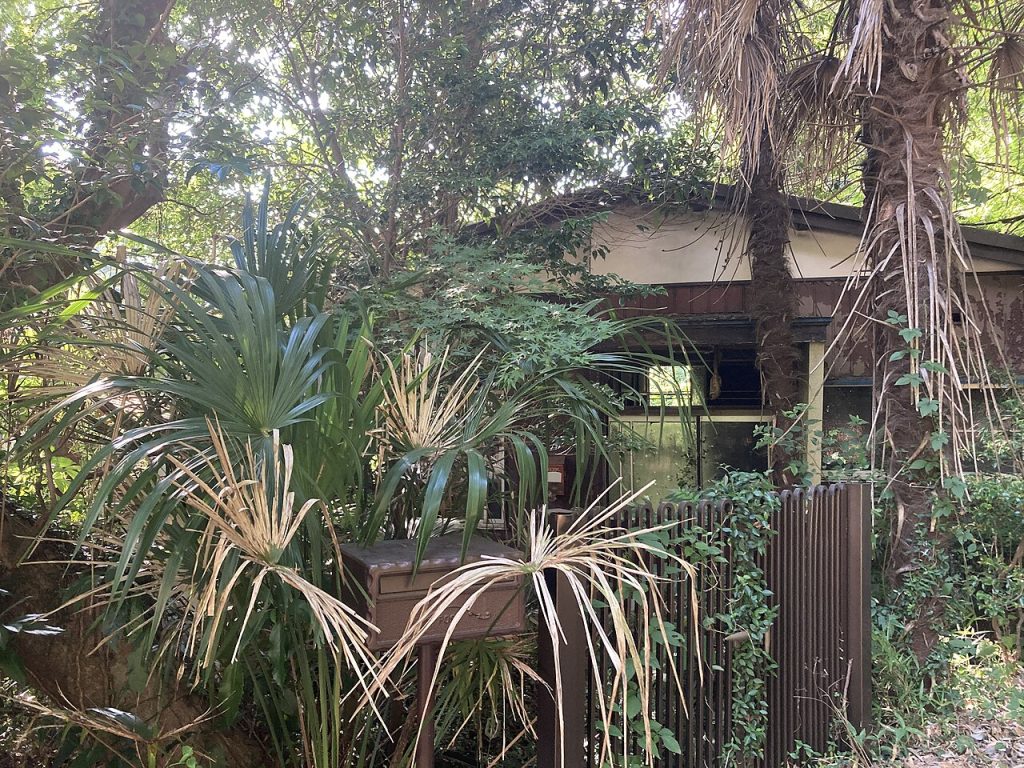
In several regions of the Japanese countryside, abandoned houses accumulate mold, overgrowth, and signs of deterioration, while entire neighborhoods lose residents year after year. The phenomenon has become internationally known as “akiya” — vacant or abandoned properties spreading mainly across the country’s rural areas.
According to the Japan Housing and Land Survey conducted in 2023 and released in 2024, the country has 8.99 million vacant homes. This is the equivalent of 13.8% of all Japanese housing — the highest rate ever recorded in the country’s history.
The next housing census, scheduled for 2028 with results released in 2029, is expected to confirm the continuity of this trend. Official projections indicate that Japan could reach approximately 9.5 million vacant properties as early as 2026.
What Are “Akiya”?
The Japanese term akiya literally means “empty house.” However, not all unoccupied homes are actually abandoned.
The Statistics Bureau of Japan divides these properties into four main categories:
- 4.4 million (49%) are available for rent
- 300,000 (3%) are for sale
- 400,000 (4%) are vacation or secondary homes
- About 3.9 million (43%) belong to the category considered most concerning: the “true akiya” — abandoned properties that are neither for sale nor for rent
These properties were generally inherited by family members who never returned to live in them or simply gave up on maintaining them due to the costs involved.
Is Japan Emptying Out?
The rise of ghost houses is directly linked to Japan’s profound demographic crisis.
- 2030: 120 million inhabitants
- 2040: 111 million inhabitants
- 2060: 87 million inhabitants
While the population shrinks, it is also aging rapidly. In 2023, about 29% of Japanese citizens were over 65 years old, a number that could reach 35% by 2040.
With significantly more deaths than births, thousands of properties enter inheritance processes every year. In 2023, the number of deaths exceeded births by approximately 840,000 people, accelerating property abandonment.
The Unexpected Tax Problem
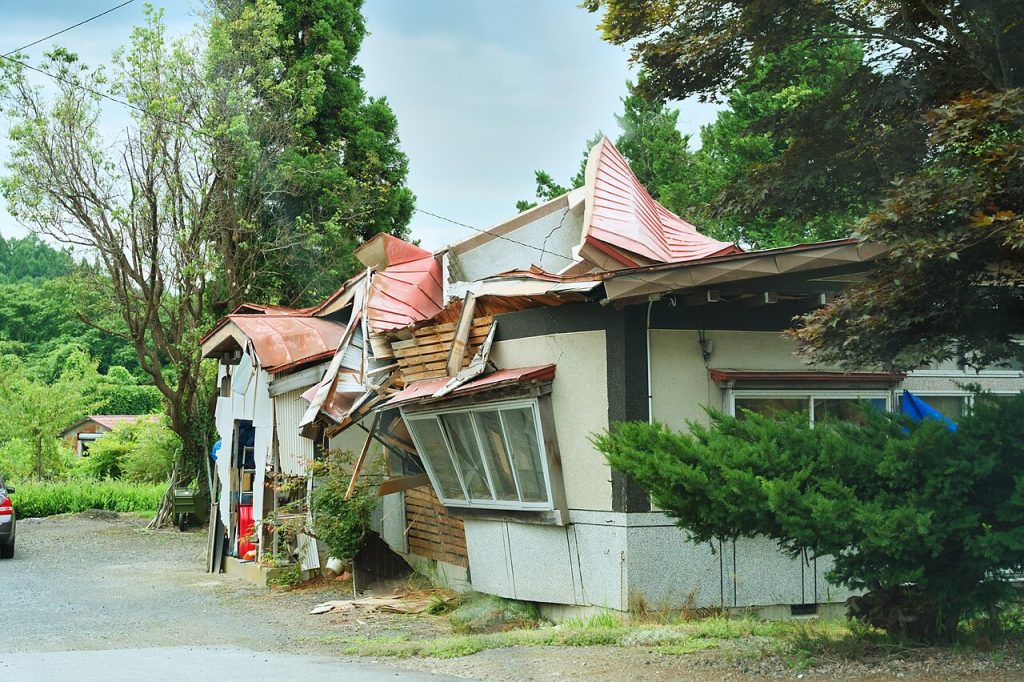
In Japan, demolishing an abandoned house can drastically increase the property tax on the land. This happens because residential properties receive tax incentives that completely disappear once the structure is removed.
In practice, many heirs prefer to leave deteriorating structures standing rather than pay much higher taxes after demolition. This mechanism has helped inflate the number of vacant properties, many of which have virtually no market value.
To try and contain the problem, the Japanese government revised its law against abandoned houses in 2023, allowing municipalities to penalize owners of properties deemed dangerous or in ruins. Even so, experts state that the measures adopted so far lack the scale necessary to reverse the scenario.
Ghost Villages and Declining Cities
The emptying out occurs mainly in rural areas, while the youth population continues to migrate en masse to major urban centers such as:
- Tokyo
- Osaka
- Nagoya
These metropolises concentrate most of the economic activity and attract young people looking for employment, leaving small towns increasingly aged, without local commerce, and with entire neighborhoods deserted.
In some Japanese prefectures, projections indicate that more than 40% of homes could be vacant by 2040.
Could Japan’s Vacant Housing Scenario Worsen?
The most recent estimates indicate that the problem still seems far from reaching a limit. The country is heading toward increasingly higher numbers:
- 2030: 11 million vacant houses
- 2040: More than 15 million abandoned properties
- National vacancy rate: Close to 25%
Surveys indicate that about 40% of Japanese municipalities could face the risk of disappearance or difficulties maintaining public services and administrative functions by 2040 due to population decline and reduced tax revenue.
Sources and References
- Japan Real Estate Analytics – Japan’s 9 Million Vacant Houses: Analysis of Government Data Link: https://www.japan-realestate-analytics.com/blog/japan-9-million-vacant-houses-government-data-2026
- The Japan Times – Depopulation risk: Over 40% of Japan municipalities ‘at risk of vanishing’ Link: https://www.japantimes.co.jp/news/2024/04/24/japan/society/depopulation-municipalities-vanish/
- ISVD (Institute for Sustainable Urban Development) – Empty Houses Reaching 9 Million: The Structural Deadlock in Japan Link: https://isvd.or.jp/en/columns/empty-houses-9million-structural-deadlock
- Statistics Bureau of Japan – Population Estimates: Annual Report 2023 Link: https://www.stat.go.jp/english/data/jinsui/2023np/index.htm